
Buying a Holiday Home in Greece – Complete Guide
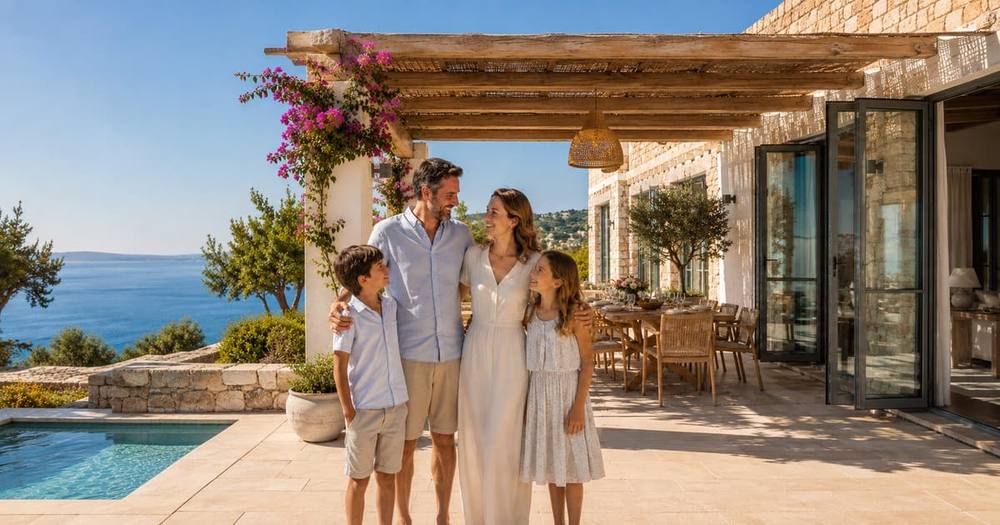
Buying a holiday home in Greece can combine lifestyle, family time and long-term property ownership in one of Europe’s most diverse destinations. A seaside apartment, village house or private villa may become the place where children grow up spending their summers, friends meet each year and the owner eventually stays for longer periods. When carefully selected and professionally managed, it may also generate rental income during times when the owner is away.
Yet the best holiday home is not necessarily the property with the most dramatic photograph. A successful purchase must work in real life: the journey from the airport, beach access, noise, parking, water pressure, internet, summer heat, winter humidity, pool maintenance, security, local services and the rules governing rental use. Legal ownership, technical condition, tax obligations and ongoing management matter just as much as the view from the terrace.
This guide explains buying a holiday home in Greece from defining your priorities and choosing a location to due diligence, budgeting, furnishing, short-term rental and remote property management. It is written for international buyers who want a practical decision framework rather than a promise of guaranteed returns. Chalkidiki Real Estate can coordinate the local process with independent lawyers, engineers, notaries, accountants, banks, insurers, contractors and property managers; each regulated professional remains responsible for their own advice and formal work.

Do you have questions about buying a holiday home in Greece, or would you like to discuss your lifestyle and investment requirements personally? Contact me directly by phone, WhatsApp or email.
- Mobile: +30 693 470 9163
- WhatsApp: +30 693 470 9163
- Email: hb@chalkidikirealestate.com
- Location: Chalkidiki Real Estate
- LinkedIn: Hans-Jürgen Bahner – Over 17k Followers
- Bestselling Author: Find My Books Here
Personal support for international holiday-home buyers in Chalkidiki and throughout Greece.
On this page
Select a topic to jump directly to the relevant holiday-home decision.
Why Buy a Holiday Home in Greece?
Greece offers a combination of climate, coastline, islands, mountain landscapes, food, history and direct connections to many European cities. The choice is not limited to famous islands. Buyers can consider mainland beaches, established resort areas, traditional villages, cities with year-round life and locations within driving distance of international airports.
A holiday property can provide consistency that hotel travel cannot. Owners keep personal belongings in place, create familiar routines and adapt the home to family needs. Longer stays become easier, especially for remote workers, parents with children or people planning a gradual transition toward retirement.
Ownership also creates responsibility. A home near the sea needs maintenance when no one is visiting. Utilities, tax, insurance, weather, gardens, pools and neighbours continue throughout the year. The decision should be based on the life the property enables and the work required to preserve it—not only on an emotional week in August.
Greek real estate markets differ sharply by region and micro-location. Demand, season length, building type, access and pricing cannot be generalised across the country. A successful purchase starts by defining the owner’s purpose and then finding the location and property that serve it.
Lifestyle Home, Rental Investment or Both?
The first strategic decision is priority. A private lifestyle home can be selected around personal taste, privacy and favourite dates. A rental-led investment must respond to guest demand, access, sleeping capacity, durability, operating cost and season length. A hybrid property must do both without disappointing either the owner or guests.
| Primary goal | Decision emphasis | Typical compromise |
|---|---|---|
| Personal use | Emotion, privacy, layout, storage, preferred dates and long stays. | Highly personal choices may reduce broad rental appeal. |
| Rental income | Demand, occupancy, guest capacity, operations, reviews and net return. | Owner use during peak weeks removes the most valuable inventory. |
| Hybrid | Flexible layout, locked owner storage, durable finishes and calendar rules. | Requires disciplined scheduling and professional management. |
| Future retirement | Year-round services, accessibility, healthcare, heating and community. | The best summer resort may feel isolated in winter. |
Write down how many weeks you expect to use the home, which months matter, who will visit, whether rental income is necessary and how much management involvement you want. Owners who require July and August for themselves should not model the property as a full-season commercial rental.
Can Foreigners Buy a Holiday Home in Greece?
International buyers commonly acquire homes in Greece. The buyer’s nationality, the property location and any proposed company structure must nevertheless be checked by an independent Greek lawyer. Certain border or strategically sensitive areas may involve additional restrictions or approvals.
The buyer generally needs a Greek tax number and must satisfy identification, banking and source-of-funds requirements. Documents may need formal translation, apostille or another authentication route. A carefully drafted power of attorney can allow the buyer’s lawyer to complete specified actions while the buyer is abroad.
Property ownership, immigration permission and tax residence are separate. Buying a holiday home does not automatically grant unrestricted residence or make the owner a Greek tax resident. Anyone linking the purchase to a residence programme should obtain current legal and immigration advice before selecting the property or structure.
Our detailed guide Buying Property in Greece as a Foreigner → explains the buyer-side preparation in greater depth.
Set a Complete Holiday-Home Budget
Start with total available capital, not the advertised price. In addition to the purchase, allow for legal, notarial, registration, engineering, translation, banking and agency costs where applicable. Add immediate repairs, furniture, appliances, outdoor equipment, security, insurance, utility setup and a reserve.
Separate one-time acquisition costs from recurring ownership costs. A large villa may be affordable to buy but expensive to cool, clean, insure and maintain. A private pool and landscaped garden can materially increase annual operating cost even when the house is empty.
If the property will be rented, include photography, linens, consumables, platform costs, cleaning, guest communication, check-in, maintenance, accounting, taxes, insurance and replacement of worn items. Rental revenue should be modelled net of these costs.
Keep a contingency for defects discovered after purchase or improvements required for the intended use. Do not spend the entire budget on the view and leave no capital to make the property safe, comfortable and operational.
Choosing the Right Region in Greece
Begin with travel pattern. How will owners and guests arrive? A direct flight followed by a short drive may be more valuable than an iconic location requiring several transfers. Ferry dependence can add charm but also weather, timetable and vehicle complications.
Compare season length, climate, local services, beach type, landscape, town access, medical support and rental audience. Some island markets have strong international recognition but high acquisition and logistics costs. Mainland regions can offer easier driving access, larger plots and better year-round operation.
Consider repeat use. A destination that is perfect for a five-day holiday may feel limited during a six-week stay. Test supermarkets, restaurants, walking, sports, marina access, cultural life and off-season activity.
Property management capacity is part of location quality. A remote home with no reliable cleaner, technician or keyholder can become difficult. Before buying, identify who will respond to water leaks, storms, alarms and guest problems when the owner is in another country.
Why Consider a Holiday Home in Chalkidiki?
Chalkidiki combines extensive coastline, varied beaches, pine forests, villages and proximity to Thessaloniki and its international airport. Owners can reach many locations without relying on a ferry, while still enjoying a strong holiday atmosphere. The region offers apartments, traditional houses, villas, new developments and building land at different price levels.
The three peninsulas and mainland areas have distinct characters. Kassandra includes established resorts and active summer markets. Sithonia is known for landscapes, coves and lower-density areas. The Athos region has its own geography and access considerations. Northern and inland locations can provide more year-round practicality and easier connections.
Micro-location remains decisive. A property five minutes from a town can operate very differently from an isolated hillside villa. Summer congestion, winter services, beach parking, road gradients and water supply vary. The right Chalkidiki home must be selected for the owner’s exact lifestyle and management plan.
Micro-Location Matters More Than the Marketing Name
Listings may use the name of a famous resort even when the property is several kilometres away. Confirm the exact position, driving route, road condition, elevation and walking practicality. A straight-line distance to the sea does not show a steep return journey or inaccessible coastline.
Visit in the morning, evening and, if possible, more than one season. Assess sun orientation, prevailing wind, road noise, nightlife, neighbouring businesses, animals, smoke, mosquitoes and construction. Ask what land in front and beside the home can legally become.
Check parking and service access. A beautiful old-village property may require carrying luggage through narrow streets. A villa reached by a steep private road may be uncomfortable for small cars or winter rain.
Observe the quality of surrounding development and public space. Waste collection, drainage, lighting, road maintenance and beach access affect daily experience and resale value even though they are outside the private title.
Airport, Road and Everyday Access
Measure door-to-door travel under realistic conditions. Include flight availability, baggage, rental-car queues, summer traffic, ferry timing and final road quality. A journey that works for an owner may be difficult for elderly relatives or rental guests.
Road access must be both legal and practical. The lawyer should verify rights, while the engineer reviews width, slope and maintenance where private access is involved. Emergency vehicles, deliveries, pool service and refuse collection need to reach the property.
If car dependence is complete, identify secure parking and local vehicle options. In a walkable town, check noise and privacy trade-offs. A home near restaurants can support guest demand but reduce quiet evenings.
For year-round use, ask how heavy rain, snow at elevation or seasonal closures affect access. A summer viewing does not reveal drainage problems or unlit rural roads in winter.
Seasonality and Year-Round Use
Many Greek holiday markets are seasonal. Restaurants, shops, public transport and services may reduce sharply outside summer. Owners planning spring, autumn or winter stays should visit during those periods rather than assuming the destination operates all year.
The building itself must support the intended season. Summer houses may have limited heating, insulation or moisture control. Stone walls, tiled floors and shaded interiors that feel pleasant in August can be cold in January. Check heating capacity, glazing, hot water, roof, ventilation and energy performance.
Rental season also matters. Peak nightly rates do not represent annual performance. Model shoulder months, weather cancellations, minimum stays and competition. A location near Thessaloniki, an airport or year-round activity may achieve a different pattern from a remote beach resort.
Seasonality influences staffing and maintenance. Cleaners and technicians can be fully booked in July yet unavailable in winter. Establish service relationships before an emergency.
Apartment, Village House or Private Villa?
| Property type | Advantages | Questions to examine |
|---|---|---|
| Apartment | Lower external maintenance, lock-and-leave convenience, central locations. | Community rules, charges, noise, parking, rental restrictions and storage. |
| Maisonette / small house | More privacy and outside space without full villa scale. | Shared walls or land, exclusive-use areas, access and maintenance division. |
| Village house | Character, community and walkability. | Renovation legality, narrow access, moisture, heritage controls and parking. |
| Detached villa | Privacy, garden, pool and high family/rental appeal. | Security, operating cost, grounds, pool, utilities and remote management. |
| Estate or multiple units | Family flexibility or development potential. | Licensing, ownership structure, staffing, infrastructure and commercial tax. |
Choose the smallest property that comfortably supports the intended use. Unused bedrooms still require purchase capital, furnishing, cleaning, cooling and maintenance. Conversely, a property marketed for eight guests must have adequate bathrooms, hot water, shade, parking and living space—not only beds.
New Build, Off-Plan or Resale?
A resale property allows the buyer to inspect the actual view, light, access, neighbourhood and completed structure. It may need modernisation and requires careful review of permits and alterations. Existing rental history can provide evidence, although past results do not guarantee future income.
A completed new build can offer energy efficiency, current systems and lower initial maintenance. Verify that construction, ownership division, utilities and completion documents match the home offered.
Off-plan purchasing may provide finish choices and staged payments but adds developer, delivery, specification and construction risk. Plans and renderings must become measurable contractual obligations, with independent monitoring and payment protection.
Read our specialist guide Buying Off-Plan and New-Build Property in Greece → before reserving an unfinished project.
Buying Land and Building a Holiday Home
Building from the ground up can create a home perfectly suited to family and rental needs. It also transfers planning, design, cost and construction risk to the owner. A sea view and large area do not prove that a parcel is buildable or economically suitable.
Before purchase, coordinate title, Cadastre, boundary survey, legal access, road status, planning, forest classification, archaeology, coastline, environmental controls, ground, slope and utilities. Test an indicative concept and budget before valuing the land.
A steep cheap site may require expensive access, excavation and retaining walls. A remote plot may need major electricity, water and wastewater infrastructure. Design flexibility has value only when legal and practical conditions are understood.
See Buying Land and Building Plots in Greece → for the full land-specific process.
How to View a Holiday Property Properly
Arrive by the normal route, park where owners and guests would park and walk through the property in the likely sequence. Test doors, windows, shutters, water pressure, hot water, cooling, heating, internet and mobile signal. Observe smells, moisture and noise with equipment switched off.
Inspect outdoor areas at different sun positions. A terrace can be unusable without shade, while a north-facing pool may feel cold outside peak summer. Check privacy from neighbours and public paths.
Ask to see plant rooms, meters, storage, roof access, drainage, septic equipment and pool machinery. Attractive staging should not hide operational systems. Photograph details with permission and write questions immediately.
A viewing is a commercial screen, not legal or technical approval. If the home remains suitable, appoint independent professionals before negotiating away protections.
Neighbourhood, Noise and Future Development
Holiday areas change dramatically by hour and season. Visit on a weekend evening, early morning and peak summer if possible. Listen for beach bars, roads, churches, hotels, sports areas, generators and animals. Consider whether the noise is acceptable to both owner and potential guests.
Investigate neighbouring plots and permissible development. An open sea-facing field may later contain a lawful building. A professional can assess planning potential, but a view is not automatically protected.
Check beach access carefully. “Private beach” may be marketing language; Greek coastline and public-access rules require legal review. A property can have direct or convenient access without owning the beach.
Community quality matters. Reliable neighbours, businesses and service providers add value when the owner is abroad. Unresolved boundary or access disputes can make a seemingly peaceful home difficult.
Independent Legal Due Diligence
The buyer’s lawyer should confirm ownership, seller authority and the chain of title, and investigate mortgages, prenotations, seizures, claims, easements and other burdens. The property described in the deed must correspond to what the buyer is shown.
For apartments and developments, review the constitutive deed, ownership percentage, regulations, common areas, exclusive-use spaces, parking, storage and community obligations. A garden or parking place used by the seller may not be privately owned.
Access rights, leases, litigation and succession issues require attention. If furniture, rental bookings or equipment are included, define them separately rather than assuming they transfer with the real estate.
Independent legal review should occur before a non-refundable commitment. Read Legal Due Diligence When Buying Property in Greece →.
Independent Technical Inspection
An engineer should compare the property with permits, approved plans and available technical records, review legality and inspect condition. A well-maintained appearance does not prove that extensions, enclosed terraces, pools, pergolas or internal changes are documented correctly.
Condition review should cover structure where visible, roof, waterproofing, damp, drainage, windows, electrical system, plumbing, heating, cooling, hot water, pool and retaining walls. Specialist inspections may be required.
Coastal exposure increases concern about corrosion, seals and wind-driven rain. Homes unused in winter can develop moisture and plumbing problems. Ask what preventive maintenance is necessary, not only what is currently broken.
The engineer’s report should distinguish safety, legality, urgent repair, medium-term maintenance and optional improvement. Use this information to evaluate price and the first years of ownership.
Boundaries, Access and Outdoor Areas
For detached homes, verify parcel boundaries against title, Cadastre, survey and site. Walls and fences may not follow legal lines. Access tracks, parking, gardens and paths can depend on easements or exclusive-use rights rather than full ownership.
The pool, terrace, pergola, barbecue, storage and retaining structures should be included in the technical review. Outdoor features often drive purchase decisions but can also contain undocumented work.
Confirm who maintains private roads, shared gates, lighting, pumps, drainage and seawalls. Informal sharing can become contentious after ownership changes. The deed and regulations should allocate rights and cost clearly.
For beachfront or rural property, review coastline, forest, archaeology and watercourse issues where relevant. The home’s existing permit does not automatically authorise every later outdoor addition.
Condominium and Community Rules
A development may regulate exterior changes, awnings, satellite equipment, pets, noise, parking, pool use and short-term rental. Obtain the rules before purchase and compare them with the intended lifestyle and rental model.
Review community charges, allocation formula, arrears, reserve funds, planned works, insurance and management. Low charges may mean efficient operation—or underfunded maintenance. Ask for recent budgets and meeting decisions where available.
Clarify whether garden, roof terrace, storage and parking are privately owned, appurtenant, exclusive-use or common. These legal categories affect control and resale.
Rental plans should not rely only on the absence of an explicit prohibition in a summary. The lawyer should review the governing documents and current legal framework for the specific operation.
The Holiday-Home Buying Process
- Define purpose and budget: owner use, rental, location, property type and total capital.
- Prepare the buyer: tax number, identification, funds, lawyer and financing where required.
- Search and view: compare micro-locations and screen practical operation.
- Make a protected offer: identify price, contents, conditions and deadlines.
- Complete due diligence: title, Cadastre, permits, technical condition, community rules and use.
- Plan funds and tax: confirm purchase costs, banking and source-of-funds documentation.
- Sign the deed: review the final notarial contract and property description.
- Register ownership: submit to the competent Registry or Cadastre and confirm completion.
- Take over the property: keys, meters, inventory, documents, insurance and utilities.
- Activate management: inspections, cleaning, maintenance, garden, pool and rental setup.
The sequence varies by transaction. For detailed steps, see Property Buying Process in Greece →.
Documents Required to Buy
The buyer normally prepares identification, Greek tax information, civil-status evidence where relevant, banking and source-of-funds records, and any power of attorney. The exact form and authentication depend on country and transaction.
The property file can include title deeds, registry or cadastral certificates, survey, permits, plans, engineer documents, Electronic Building Identity records, Energy Performance Certificate, tax certificates and condominium documents. The notary, lawyer and engineer determine the precise current requirements.
For a rented or furnished property, request booking information, rental registration, equipment invoices, warranties, service contracts, utility data and an agreed inventory. Personal accounts and platform profiles do not necessarily transfer.
Use a document index and keep final registered and signed versions. See Documents Required to Buy Property in Greece →.
Purchase Costs and Taxes
Purchase costs depend on price, tax treatment, property type, services and financing. Ask the notary, lawyer and accountant for a transaction-specific estimate. Do not use a single online “all-in percentage” as a guaranteed budget.
Potential categories include applicable property-transfer or other tax, notarial fees, registration, legal review, engineering, translation, agency commission where applicable and bank charges. Mortgage valuation and security create additional cost.
Separate purchase costs from renovation and operating setup. Furniture, air conditioning, pool repairs, security and rental equipment are not transfer fees but may be required immediately.
For specialist detail, read Costs and Taxes When Buying Property in Greece →.
Financing a Holiday Home
Foreign buyers may seek Greek mortgage finance or borrow elsewhere. Approval depends on income, residency, credit, age, property and lender policy. A borrower indication is not final property approval.
Start early. Banks may request translated tax returns, employment or business evidence, account statements, liabilities and source-of-funds records. The property undergoes legal and valuation checks, and loan security must be registered.
Compare interest structure, fees, insurance, early repayment and currency risk. A euro mortgage funded from non-euro income creates exchange exposure. Rental income should not be assumed to cover payments in every season.
See Mortgages and Property Financing in Greece for Foreigners →.
Personal Ownership or a Company?
A private holiday home is often acquired personally, while a company may be considered for partners, larger rental activity or development. Neither structure is universally superior. Tax, accounting, financing, succession, administration and exit consequences differ.
Co-buyers should agree shares, funding, personal-use weeks, rental decisions, expenses, improvements, sale and inheritance planning. Good relationships are not a substitute for documented arrangements.
A company creates continuing governance and filing obligations. Buying personally and transferring later can also create cost. Obtain coordinated legal and tax advice before reservation so the deed, financing and operation use the intended structure from the beginning.
Annual Running Costs
| Cost group | Examples | Budget question |
|---|---|---|
| Tax and administration | ENFIA, accounting, filings and representation. | What applies to this owner and property? |
| Utilities | Electricity, water, internet, wastewater and fixed charges. | What continues when the home is empty? |
| Building | Repairs, painting, roof, equipment and reserve. | Which major item will need replacement next? |
| Outside areas | Pool, garden, irrigation, pest control and fire prevention. | How often is service required in summer? |
| Management | Inspections, keyholding, cleaning and emergency response. | Who is responsible while the owner is abroad? |
| Rental | Guest service, linens, consumables, platform and compliance. | What is the net cost per booking and per year? |
Create a property-specific annual budget using bills, service quotations and maintenance history. Add a capital reserve for air-conditioning units, appliances, pool equipment, exterior painting and waterproofing. A low-maintenance apartment may suit infrequent use better than a villa whose grounds require weekly attention.
Your local contact in Chalkidiki
Get in Touch with Hans-Jürgen Bahner
Do you have questions about buying a holiday home in Greece, or would you like to discuss your lifestyle and investment requirements personally? Contact me directly by phone, WhatsApp or email.
- Mobile: +30 693 470 9163
- WhatsApp: +30 693 470 9163
- Email: hb@chalkidikirealestate.com
- Location: Chalkidiki Real Estate
- LinkedIn: Hans-Jürgen Bahner – Over 17k Followers
- Bestselling Author: Find My Books Here
Personal support for international holiday-home buyers in Chalkidiki and throughout Greece.
E9, ENFIA and Tax Administration
Foreign residents, like Greek residents, have Greek real-estate reporting obligations. The property must be correctly reflected in the E9 real-estate information system, and annual ENFIA is calculated from property information held for the relevant date. Digital automation may assist some transactions, but the buyer’s accountant should verify that the record is accurate.
Keep myAADE credentials secure and maintain a reliable contact process for assessments and deadlines. A tax representative or accountant may support non-residents, depending on circumstances.
Rental income creates additional declarations and potentially business or VAT considerations depending on services, number of properties, ownership structure and current law. Obtain advice before launching the listing, not after income is received.
Important: Tax rules, filing dates and short-term-rental requirements can change. This page does not provide a tax calculation. Ask a Greek accountant to confirm the current treatment for the owner, property and proposed activity.
Holiday-Home Insurance
Insurance should reflect building value, contents, liability, natural hazards, escape of water, theft, pool and rental use where applicable. A standard primary-residence policy may not cover long vacancy or paying guests.
Disclose construction type, security, occupancy pattern, location and prior claims accurately. Coastal, forest or flood exposure may affect terms. Mortgage lenders may impose their own cover requirements.
Understand deductibles, exclusions, unoccupied-property conditions and emergency procedures. Keep photographs, inventory, invoices and property documents. If the house is rented, coordinate owner policy, guest damage process and platform protection rather than assuming one replaces another.
Property management supports prevention but is not insurance. Regular inspections, water shut-off, storm checks and maintenance can reduce loss and help demonstrate responsible care.
Electricity, Water and Wastewater
Record meter numbers, readings, provider, account status and payment method at handover. Confirm whether supply is individual or shared and whether any arrears or deposits require attention.
Water quality, pressure and seasonal reliability vary. Villas may use tanks, pumps, wells or irrigation systems. Understand which components are lawful, privately maintained and connected to the property.
Where public sewerage is unavailable, inspect the wastewater system and maintenance requirements. Guest capacity must match practical operation. Odour or overflow problems can severely affect rental reviews and neighbour relations.
Remote owners benefit from electronic billing, automatic payment and local monitoring. Our Utility Registration and Administrative Services can coordinate setup and communication.
Internet and Smart-Home Readiness
Reliable internet is important for owners, guests, security systems and remote work. Test the actual connection and mobile networks rather than relying solely on coverage statements. Peak summer demand can affect performance.
Where fixed broadband is weak, satellite or mobile solutions may be suitable. Equipment needs power, cabling, appropriate location and weather-resistant installation. Ensure the owner controls accounts and administrator credentials.
Useful remote systems can include water-leak sensors, temperature and humidity monitoring, smart thermostats, power alerts, cameras, alarms, gate access and irrigation control. Privacy and security must be configured correctly, especially for rental guests.
See our Starlink Internet and Smart Home Solutions.
Summer Heat, Winter Moisture and Coastal Exposure
A holiday home should be evaluated in the seasons when it will operate and when it will stand empty. Orientation, shading, insulation, glazing, shutters, ventilation and cooling determine summer comfort. An attractive west-facing glass façade may create significant afternoon heat.
Winter moisture is a common challenge in intermittently occupied coastal homes. Check roof and wall waterproofing, drainage, ventilation, dehumidification and heating. Closing the property tightly for months without monitoring can create mould and odour.
Salt air affects metal, electronics, windows, gates, railings and air-conditioning equipment. Materials and maintenance cycles should match exposure. Wind can damage awnings, furniture and shutters.
Fire-prevention vegetation management is essential in dry landscapes. Follow current local requirements and maintain access. A low-maintenance landscape design can reduce water and labour without sacrificing appearance.
Pool and Garden Ownership
A pool can increase personal enjoyment and rental appeal, but it is a technical system requiring cleaning, chemical control, pumps, filtration, water, electricity and safety. Inspect legality, structure, waterproofing, plant equipment and surrounding surfaces.
Ask for seasonal operating cost and service frequency. Infinity edges, heating and complex water features increase maintenance. A pool unused in winter still needs a defined closure or operation plan.
Gardens should suit climate, water availability and owner absence. Large lawns can be expensive and vulnerable; Mediterranean planting, efficient irrigation and shade may provide a more resilient result. Check trees near buildings, roots, fire risk and boundary responsibility.
For rentals, plan secure equipment storage, outdoor showers, lighting, non-slip surfaces and clear rules. Pool and garden service must coordinate with guest calendars.
Security While the Property Is Empty
Security begins with robust doors, windows, shutters, locks and controlled key management. Alarms and cameras can add protection but should be installed lawfully and configured with reliable communication and response.
A smart alert is useful only if someone local can act. Establish a keyholder, emergency contact and authority for urgent work. Avoid leaving the home looking permanently closed; regular inspections detect leaks, storm damage, pests and forced entry.
For rental properties, use unique access codes or a controlled key process and change permissions between guests. Separate owner storage and sensitive documents. Camera placement must respect privacy and platform rules.
Document the property before long absence, shut off or manage water appropriately and follow insurer conditions. Security planning should remain discreet and should not expose occupancy patterns publicly.
Furnishing a Greek Holiday Home
Furnish for climate, use and maintenance. Choose fabrics, metals, outdoor furniture and finishes suited to sun, salt, sand and repeated cleaning. Provide shade, comfortable mattresses, adequate dining and storage rather than filling every room with decorative objects.
Owner-use homes need locked personal storage if rented. Guests need space for luggage, wardrobes, bedside power, blackout and clear lighting. Kitchens should match advertised capacity, while hot-water and bathroom provision should support simultaneous use.
Inventory every item with photographs and replacement value. Keep manuals, warranties and model numbers. Standardise consumables and frequently replaced items so the manager can act quickly.
Do not over-invest in fragile luxury that cannot survive rental or coastal conditions. Good design combines appearance, durability, repairability and local availability.
Building a Short-Term Rental Strategy
Start with the target guest: couples, families, multi-generational groups, remote workers, beach travellers or premium villa guests. Design amenities and communication for that audience. A three-bedroom property marketed to families needs safety, shade, laundry, kitchen capacity and practical beach storage.
Set the owner-use calendar first. Peak personal weeks have an opportunity cost, but lifestyle value may justify it. Avoid pressuring yourself to rent during every absence if preparation and guest wear exceed the benefit.
Professional photography, accurate descriptions and clear rules support bookings. Do not exaggerate walking distance, privacy or sea view. Reviews depend on cleanliness, communication, sleep quality, cooling, hot water, Wi-Fi and fast problem resolution more than decorative slogans.
Our Airbnb and Short-Term Rental Management in Chalkidiki service coordinates listing, guest communication, check-in, check-out, cleaning and on-the-ground support.
Registration and Rental Compliance
Greek short-term rental operation involves tax registration and reporting. The Independent Authority for Public Revenue provides a Short-Term Stay Property Registry and requires relevant stay statements and registry finalisation according to current rules. Property specifications, insurance, safety and local or building restrictions may also apply.
The correct treatment depends on owner, number of properties, services offered and operating structure. Adding hotel-like services can change tax or licensing analysis. The owner should obtain current advice from a Greek accountant and lawyer before advertising.
Check condominium regulations and insurance. Ensure the listing displays required registration information and that booking, cancellation and revenue records support declarations. Management agreements should allocate who submits which information while keeping the owner informed.
Compliance is not a one-time setup. Monitor rule changes, renew safety equipment, maintain records and review pricing and operations with tax consequences in mind.
Estimating Rental Income Realistically
Use comparable properties with similar micro-location, capacity, quality, view, pool, access and reviews. Asking prices are not achieved revenue. Model available nights, occupancy and average rate by month rather than multiplying an August rate across the year.
Subtract platform or distribution cost, management, guest communication, check-in, cleaning gaps, linens, consumables, utilities, pool, garden, maintenance, insurance, tax, accounting and replacement reserve. Distinguish costs charged to the guest from costs ultimately borne by the owner.
Prepare base, strong and weak scenarios. Consider new-listing ramp-up, owner stays, cancellations, weather, competition and regulation. Financing should remain sustainable under the weak case.
Rental performance depends on execution. Prompt responses, consistent cleaning and preventive maintenance can protect reviews. No agent or developer can responsibly guarantee a future net return without assumptions and risk.
Professional Property Management
A remote holiday home needs one accountable local system. Fragmenting keys, cleaning, pool, garden, repairs and guest communication among uncoordinated contacts creates gaps. Define who inspects, authorises work, documents costs and reports to the owner.
Management scope may include keyholding, scheduled inspections, storm checks, utility monitoring, cleaning, linen, consumables, pool and garden coordination, contractor access, emergency response and guest support. Rental management adds calendar, pricing, listing, messages, check-in and review processes.
Agree response levels and spending authority. A leaking pipe requires immediate mitigation; a cosmetic improvement may wait for approval. Reports should include photographs, invoices and open actions.
Property management is valuable even without rentals. Preventing moisture, unnoticed leaks or garden damage can save more than the service cost.
Handover and Operational Setup
Handover should include registered deed and property documents, keys, remote controls, meter readings, alarm and gate credentials, manuals, warranties, service contacts and an agreed inventory. Change access permissions and confirm insurance start.
Test every system: water, hot water, electrical circuits, cooling, heating, internet, shutters, appliances, pool, irrigation and drainage. Record defects and responsible party. Do not rely on a box of unlabelled keys.
Transfer utilities and set payment methods. Register owner and property with the accountant. Schedule maintenance and emergency contacts before leaving the country.
If rented immediately, allow time for safety checks, repairs, deep cleaning, photography, listing setup and registration. The first guest should not be the operational test.
Owning and Managing from Abroad
Create a digital property file with deeds, plans, insurance, tax, utilities, inventories, warranties, contracts and service history. Use secure credential management and maintain a list of people authorised to access the property.
Schedule inspections based on risk: after storms, before arrival, after departure, during winter and at seasonal opening. Ask for consistent photographs and meter readings. Water leaks and humidity require faster detection than routine cosmetic issues.
Plan money flow. Maintain funds for utilities, tax, service and urgent repairs. Define an approval limit for the manager and a communication route for larger work.
Build relationships before emergencies. A reliable local electrician, plumber, air-conditioning technician, pool service and locksmith are part of the asset’s operating infrastructure.
Resale and Long-Term Value
Even a long-term lifestyle purchase should be evaluated for future marketability. Legal documentation, easy access, parking, sensible layout, energy performance, privacy, manageable grounds and a broad location audience can support resale.
Highly personal alterations can narrow demand. Keep permit and invoice records for improvements. Resolve cadastral, community and technical issues when they arise rather than transferring uncertainty to the next buyer.
Maintenance preserves value. Waterproofing, exterior finishes, windows, pool and garden should not be allowed to deteriorate between visits. A well-run rental history may demonstrate demand, but only if documentation and condition remain strong.
Views and location remain important, but legal certainty and operating ease become increasingly visible during buyer due diligence.
Common Holiday-Home Buying Mistakes
- Choosing the property during one emotional peak-season viewing.
- Confusing a lifestyle home with a guaranteed rental investment.
- Using an advertised nightly rate as annual income.
- Ignoring travel time, parking and final road quality.
- Failing to visit outside summer.
- Assuming sea view, garden, parking or beach access is legally protected.
- Skipping independent lawyer and engineer review.
- Underestimating pool, garden, exterior and coastal maintenance.
- Buying too many bedrooms for actual use.
- Ignoring condominium rules and community finances.
- Assuming an existing Airbnb listing proves lawful future operation.
- Leaving no reserve after paying the purchase price.
- Relying on smart devices without a local responder.
- Starting rentals before insurance, registration and safety setup.
- Using separate contractors without one accountable coordinator.
Holiday-Home Buyer’s Checklist
Before searching
- Define owner-use months and rental priority.
- Set purchase, setup and annual budgets.
- Choose travel and year-round service requirements.
- Decide preferred property type and maintenance tolerance.
Before reserving
- Confirm exact location, access, parking and surroundings.
- Appoint independent lawyer and engineer.
- Identify title, boundaries, outside areas and community rules.
- Make any deposit conditional and traceable.
Before signing
- Complete legal and technical due diligence.
- Confirm taxes, financing and source of funds.
- Agree furniture, bookings, repairs and handover items in writing.
- Review the final deed and registration plan.
Before first use or rental
- Transfer utilities and activate insurance.
- Test systems, safety and internet.
- Appoint local management and emergency contacts.
- Complete tax and rental registration where applicable.
- Create inventory, maintenance plan and owner storage.
How Chalkidiki Real Estate Can Support You
We can help turn a broad wish for a Greek holiday home into a practical search brief. Our team can identify suitable properties in Chalkidiki, organise viewings and explain the operational differences between locations, property types and ownership strategies.
For selected properties, we coordinate document collection and communication with independent lawyers, engineers, notaries, accountants, banks, insurers and contractors. Every regulated professional provides their own advice and formal approvals. Our role is to help the process remain organised, transparent and connected on the ground.
After purchase, we can coordinate utilities, renovations, furnishing, keyholding, inspections, cleaning, maintenance, garden and pool services, smart-home setup and short-term rental management. Buyers therefore have one local contact across acquisition, preparation and ongoing ownership.
Start with our pillar page Buying Property in Greece → or contact us with your preferred area, budget, travel pattern and intended use.
Frequently Asked Questions
Can foreigners buy a holiday home in Greece?
Do I need to live in Greece to own a holiday property?
Does buying a home give me residence rights?
What is the best Greek region for a holiday home?
Is an apartment easier to own than a villa?
Should I buy new or renovate?
Can I rent out my Greek holiday home on Airbnb?
How much rental income can I expect?
What annual property tax applies?
Do I need a Greek bank account?
How long does the purchase process take?
Should I use the seller’s lawyer or engineer?
What should I inspect near the sea?
Who looks after the house when I am abroad?
Can I keep using the seller’s rental listing?
What happens to existing bookings?
Is a private pool worth it?
How do I protect the property in winter?
What should be included at handover?
Can Chalkidiki Real Estate manage the home after purchase?
Do you have questions about buying a holiday home in Greece, or would you like to discuss your lifestyle and investment requirements personally? Contact me directly by phone, WhatsApp or email.
- Mobile: +30 693 470 9163
- WhatsApp: +30 693 470 9163
- Email: hb@chalkidikirealestate.com
- Location: Chalkidiki Real Estate
- LinkedIn: Hans-Jürgen Bahner – Over 17k Followers
- Bestselling Author: Find My Books Here
Personal support for international holiday-home buyers in Chalkidiki and throughout Greece.
Continue the Buying Property in Greece Cluster
A holiday home connects with purchase costs, legal checks, financing, running costs and property management. Use these connected guides to plan each step.