
Property for Sale in Chalkidiki, Greece
23 properties listed today, from €165,000 to €3,300,000.
Chalkidiki is not one property market but five, and the difference between them decides almost everything about how a purchase here turns out. Three peninsulas reach south into the Aegean from a broad mainland: Kassandra with its resorts and its short drive from the airport, Sithonia with its pine-covered coastline and quieter bays, and the Athos area, where the land runs up to the border of the monastic state. Behind them sit the inland hills around Polygyros and the working coast around Nea Moudania, both cheaper and both used year-round.
What is for sale reflects that spread. The same budget buys a beachfront apartment in a busy resort, a stone house in a protected hill village, a sea-view house on a Sithonia slope, or a large plot with olive trees an hour from the sea. Those are not variations of one product. They differ in legal form, in what they cost to run, in how often they get used, in how easily they let, and in how quickly they sell again.
This guide is the entry point to the whole region: what each area is actually like, what the property types involve, what prices are driven by, what the purchase process requires from a foreign buyer, and how to narrow a wide region down to the two or three places worth viewing.
Listings
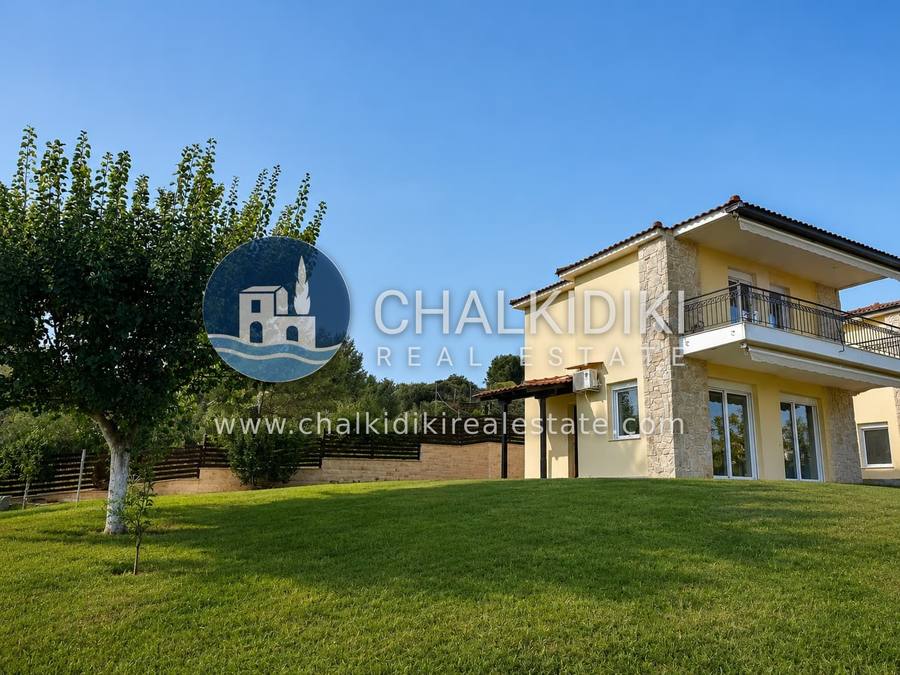
Premium Corner Villa with XXL Garden in Loutra, Chalkidiki
- 3bedrooms
- 2bathrooms
- 101 m²living area
- 1,500 m²plot
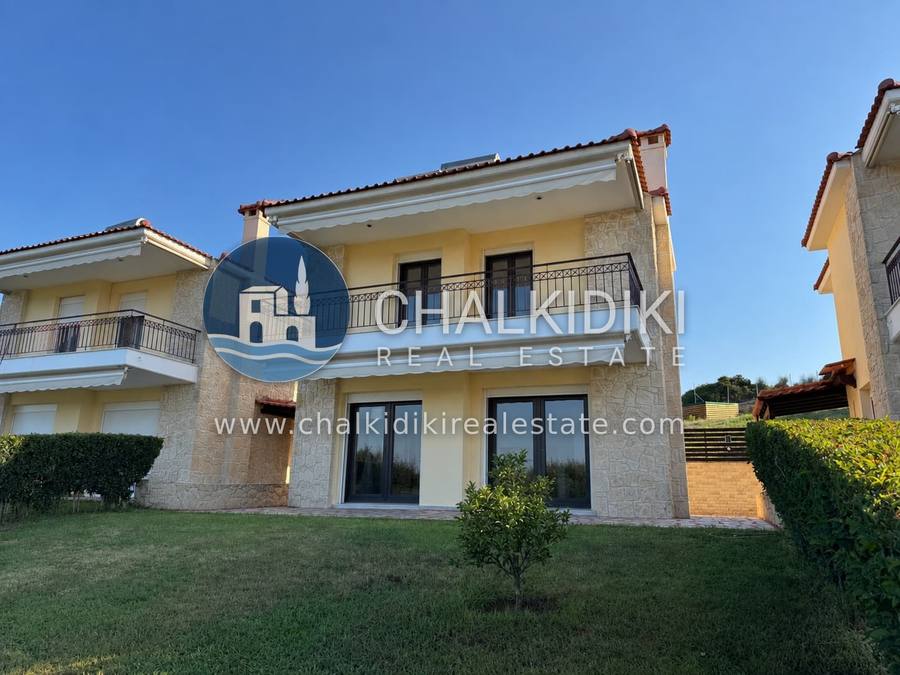
Mediterranean Villa with Private Outdoor Area in Loutra, Chalkidiki
- 3bedrooms
- 2bathrooms
- 101 m²living area
- 700 m²plot
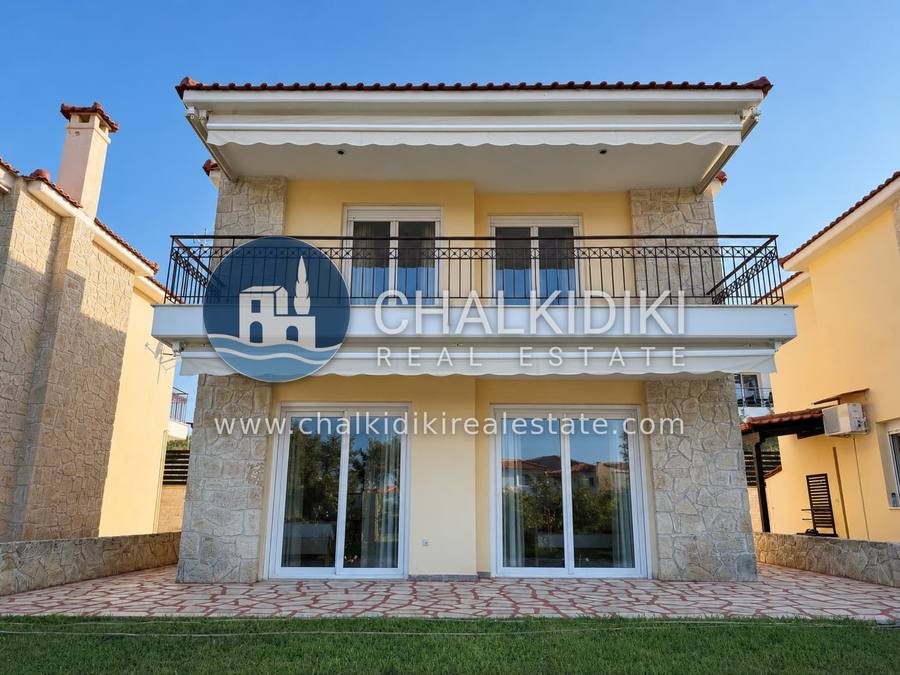
Sea View Investment Villa for Sale in Loutra, Chalkidiki
- 3bedrooms
- 2bathrooms
- 101 m²living area
- 700 m²plot
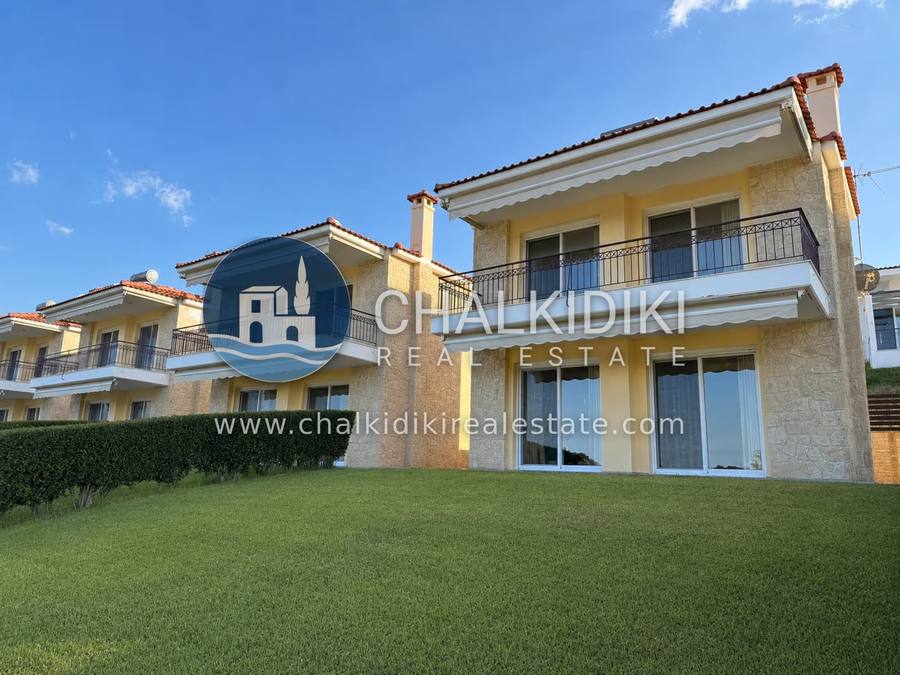
Modern 3-Bedroom Villa with Sea View in Loutra, Chalkidiki
- 3bedrooms
- 2bathrooms
- 101 m²living area
- 700 m²plot
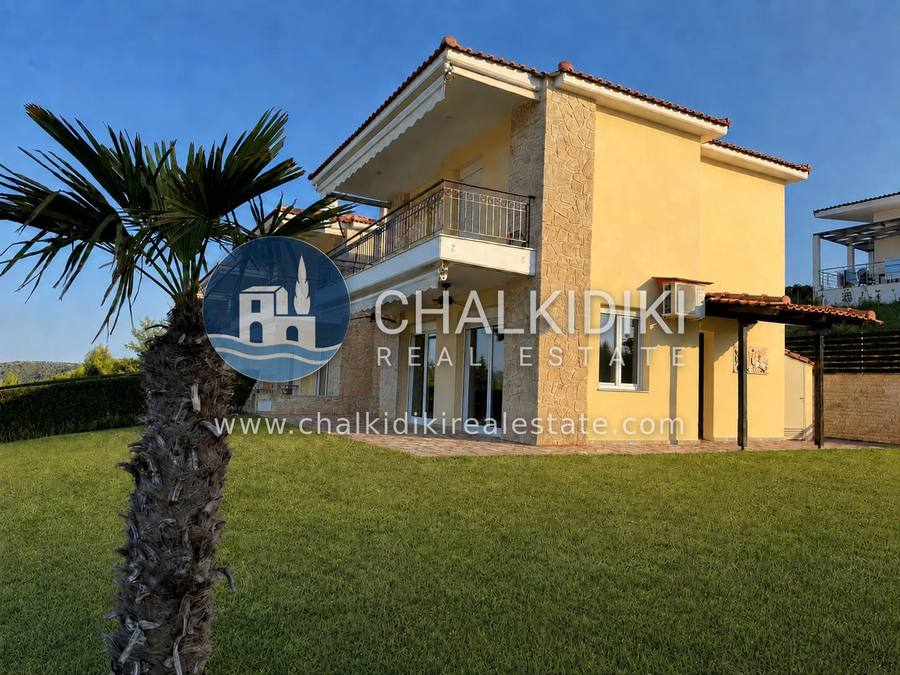
101 m² Holiday Villa with Sea View in Loutra, Chalkidiki
- 3bedrooms
- 2bathrooms
- 101 m²living area
- 1,000 m²plot
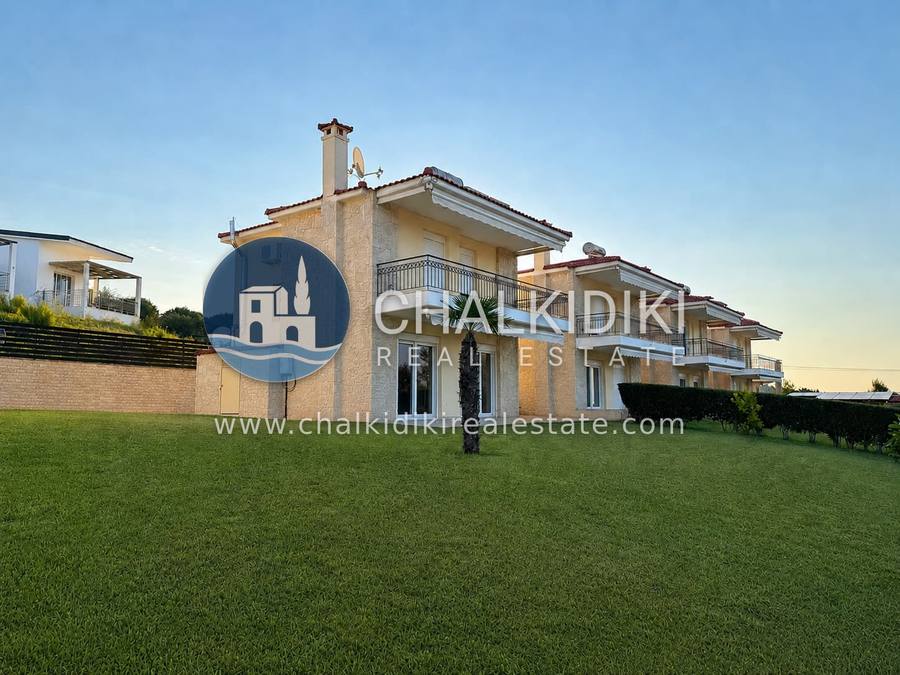
Luxury Holiday Villa in a Gated Community in Loutra, Chalkidiki
- 3bedrooms
- 2bathrooms
- 150 m²living area
- 1,000 m²plot
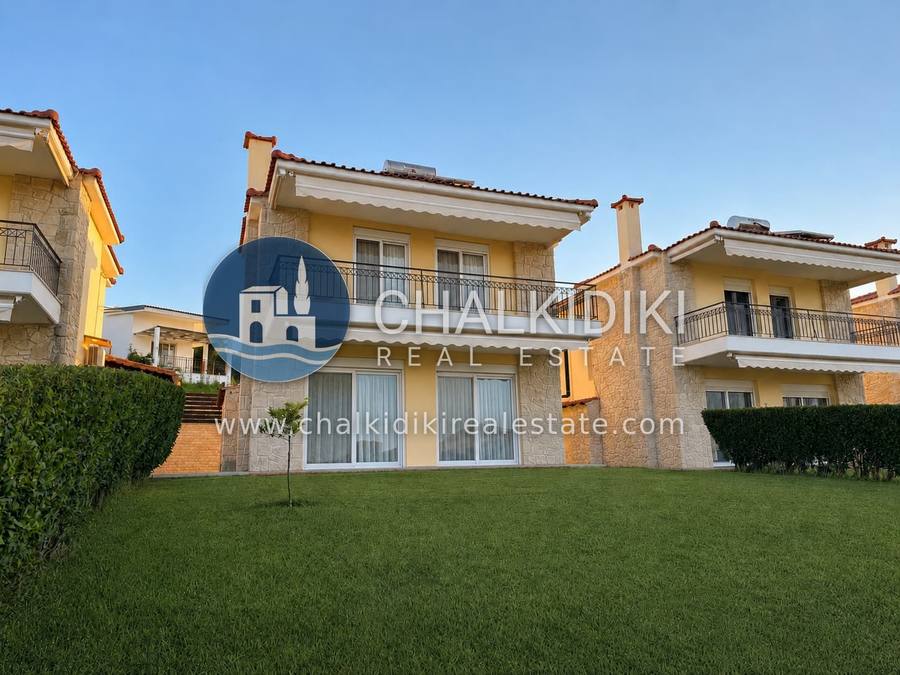
Mediterranean Sea View Villa for Sale in Loutra, Chalkidiki
- 3bedrooms
- 2bathrooms
- 150 m²living area
- 700 m²plot
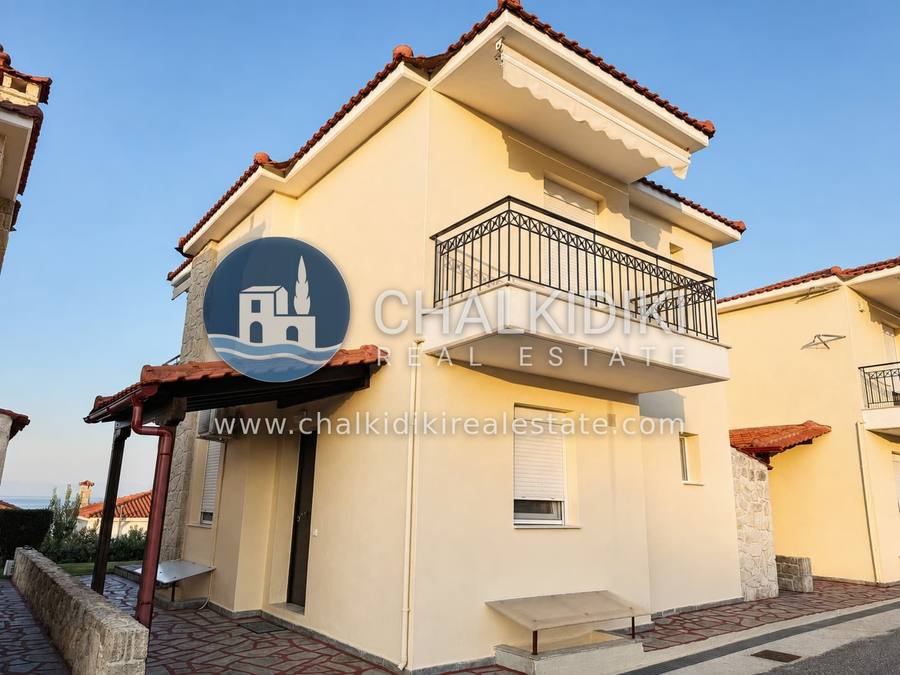
150 m² Villa with Large Garden and Sea View in Loutra, Chalkidiki
- 3bedrooms
- 2bathrooms
- 150 m²living area
- 700 m²plot
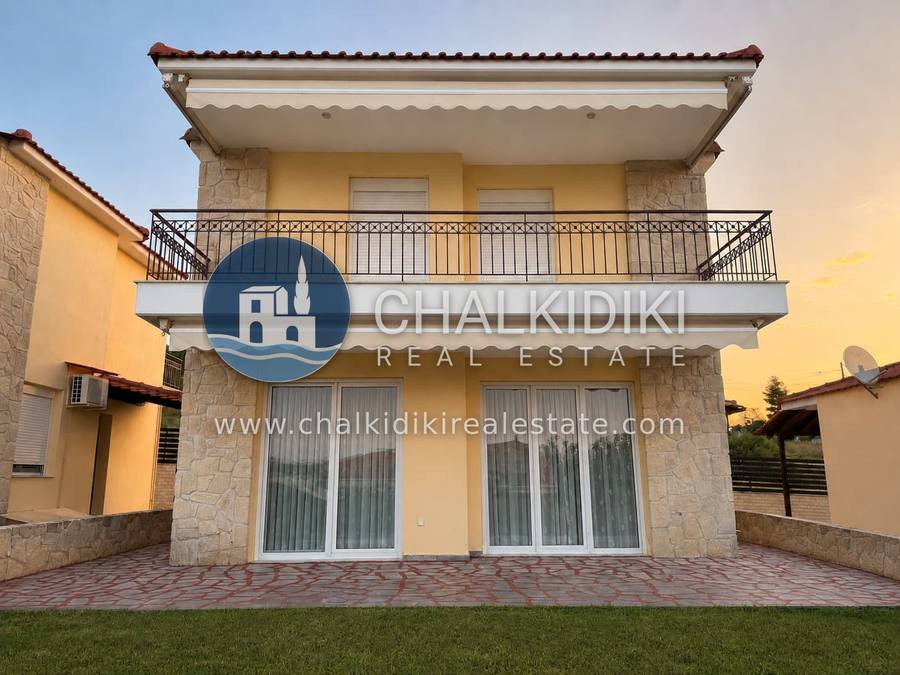
Luxury Family Villa with Sea View in Loutra, Chalkidiki
- 3bedrooms
- 2bathrooms
- 150 m²living area
- 700 m²plot
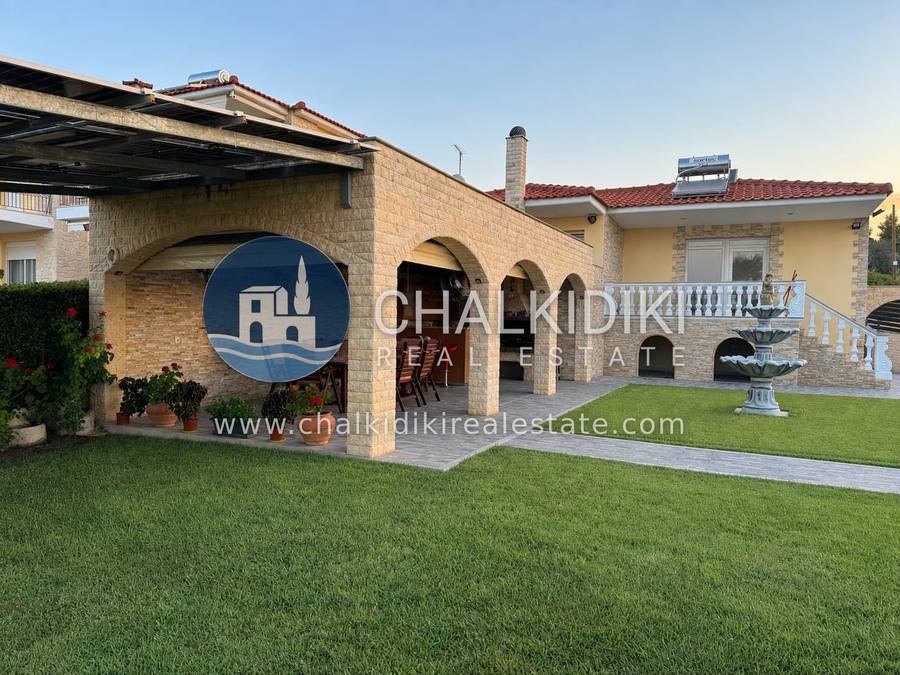
Mediterranean Villa with Private Pool and Large Garden in Loutra, Chalkidiki
- 1bedrooms
- 1bathrooms
- 80 m²living area
- 1,200 m²plot
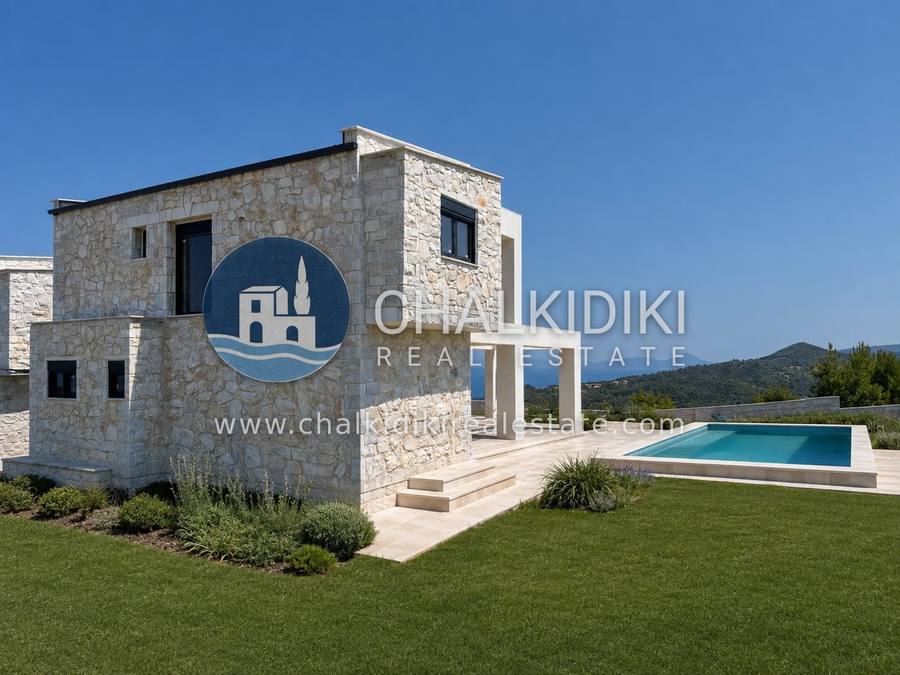
Golden Visa Villa in Hanioti Chalkidiki
- 6bedrooms
- 2bathrooms
- 220 m²living area
- 3,800 m²plot
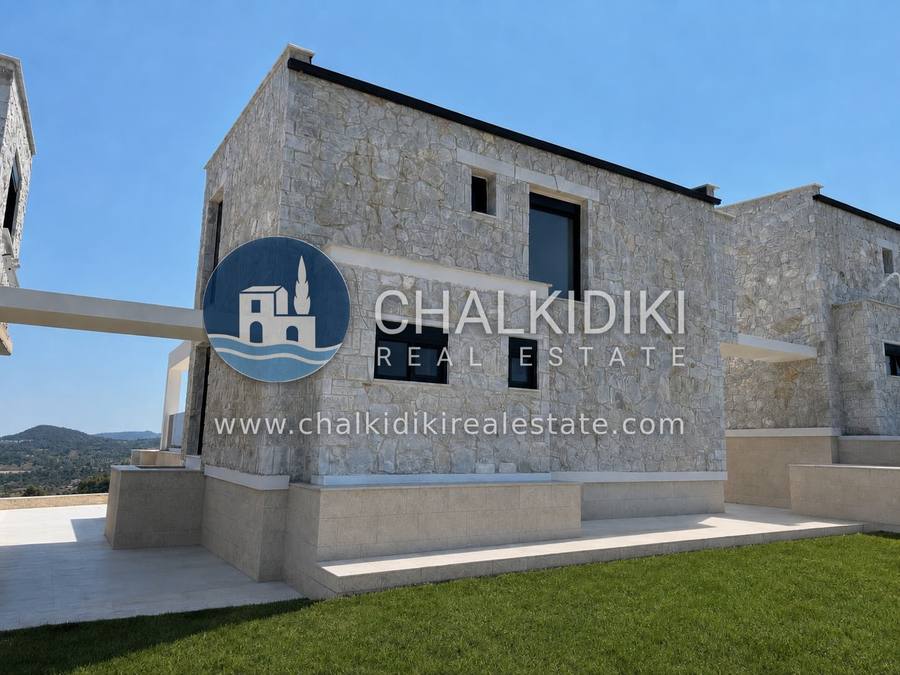
Golden Visa Villa in Hanioti Chalkidiki
- 6bedrooms
- 2bathrooms
- 220 m²living area
- 3,800 m²plot
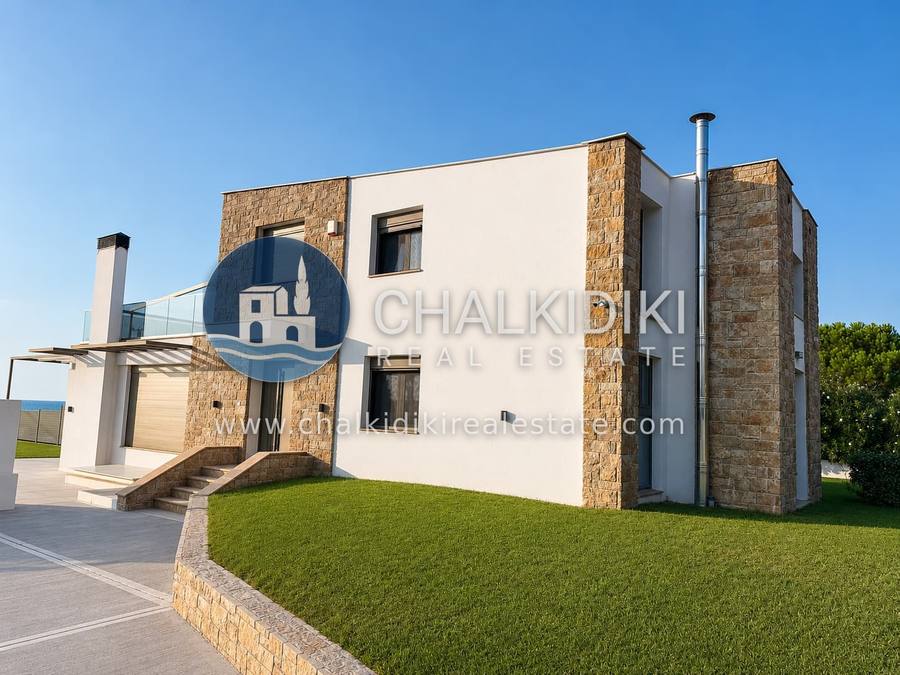
Luxury Golden Visa Villa with Private Pool in Possidi, Chalkidiki
- 3bedrooms
- 2bathrooms
- 230 m²living area
- 2,300 m²plot
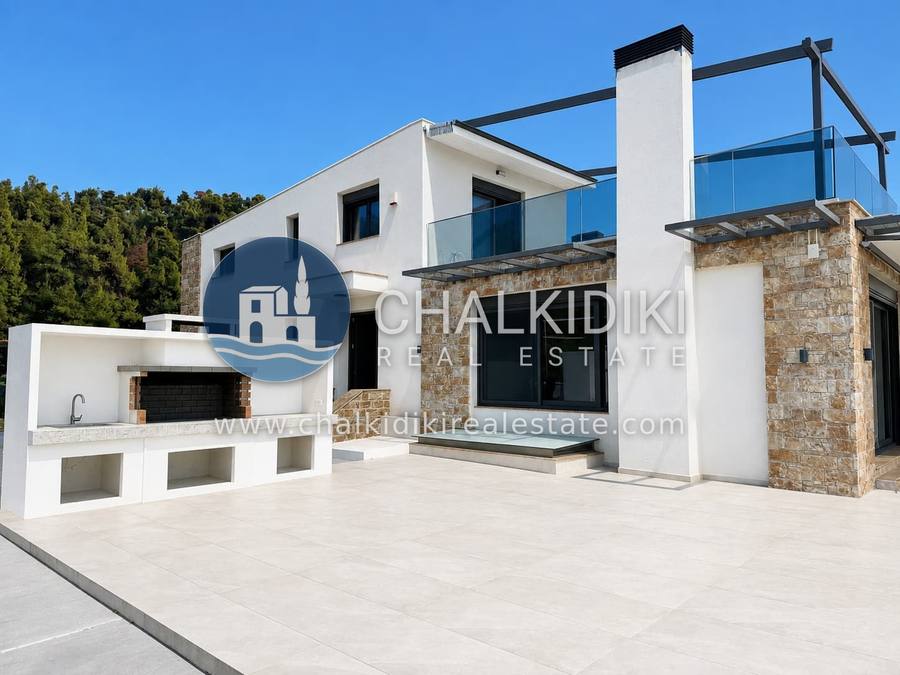
Luxury Villa with Private Pool in Possidi, Chalkidiki
- 3bedrooms
- 2bathrooms
- 230 m²living area
- 2,300 m²plot
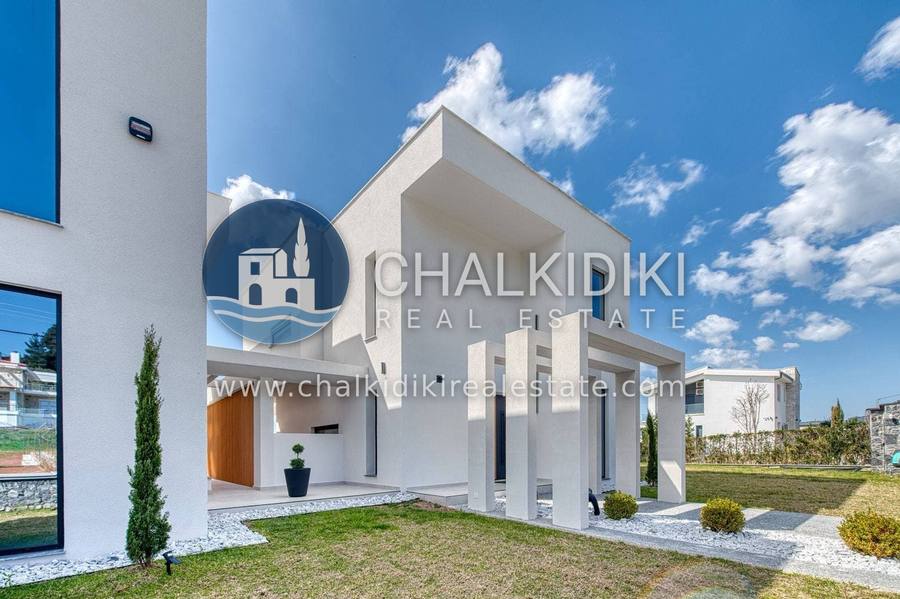
Luxury Villa with Panoramic Sea View | Private Pool | Golden Visa Eligible | Chalkidiki
- 3bedrooms
- 2bathrooms
- 184 m²living area
- 1,000 m²plot
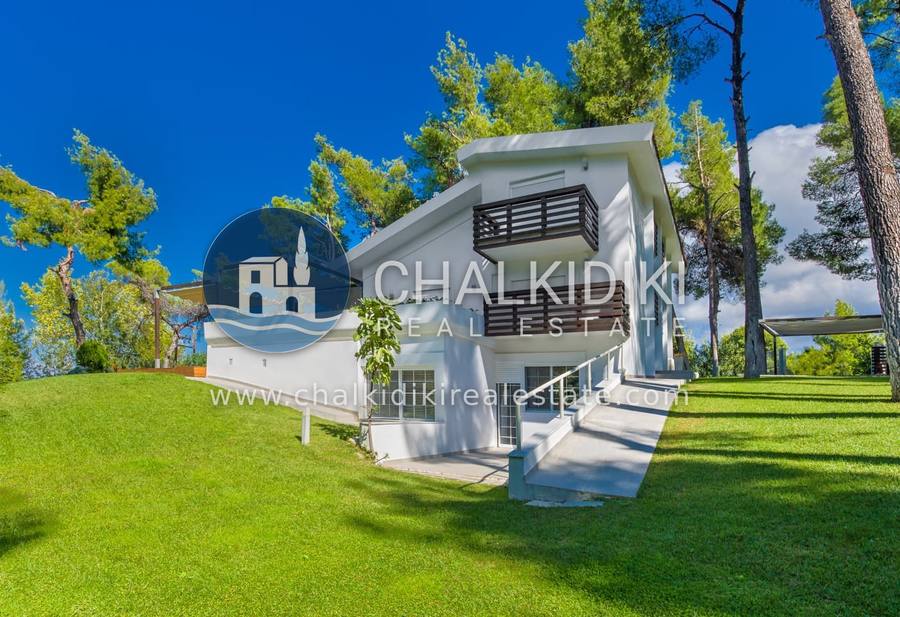
Luxury Villa with Heated Pool in Sani, Chalkidiki
- 6bedrooms
- 6bathrooms
- 370 m²living area
- 3,200 m²plot
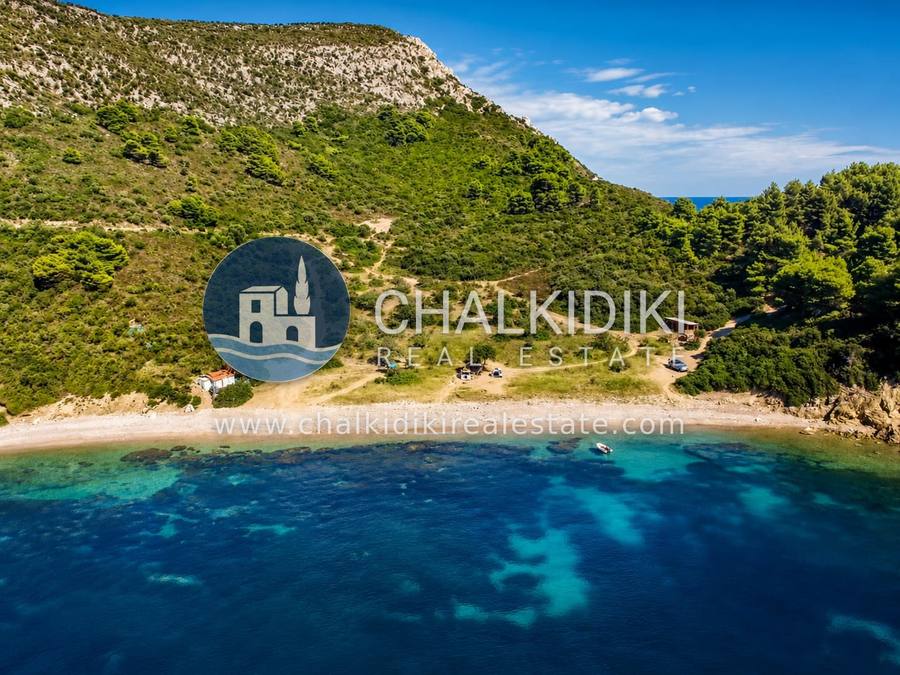
Exclusive Beachfront Hotel Development Land in Porto Koufo, Chalkidiki
- 80 Beds (5★) / 90 Beds (4★)bedrooms
- 2,000 m²living area
- 10,000 m²plot
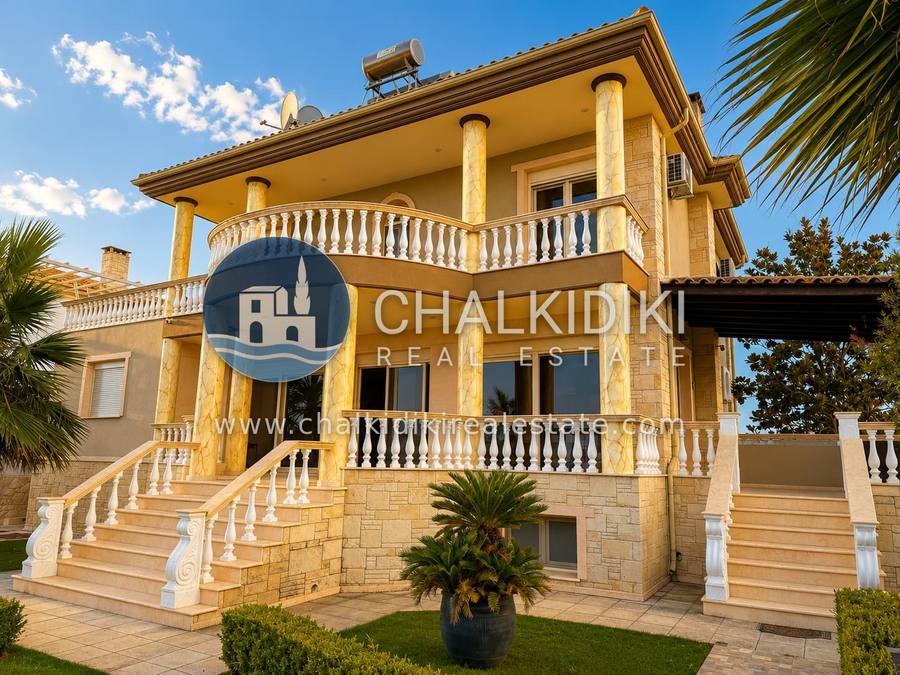
Luxury Pool Villa with Spa & Golden Visa Potential in Kallithea, Chalkidiki
- 4bedrooms
- 4bathrooms
- 307 m²living area
- 1,000 m²plot
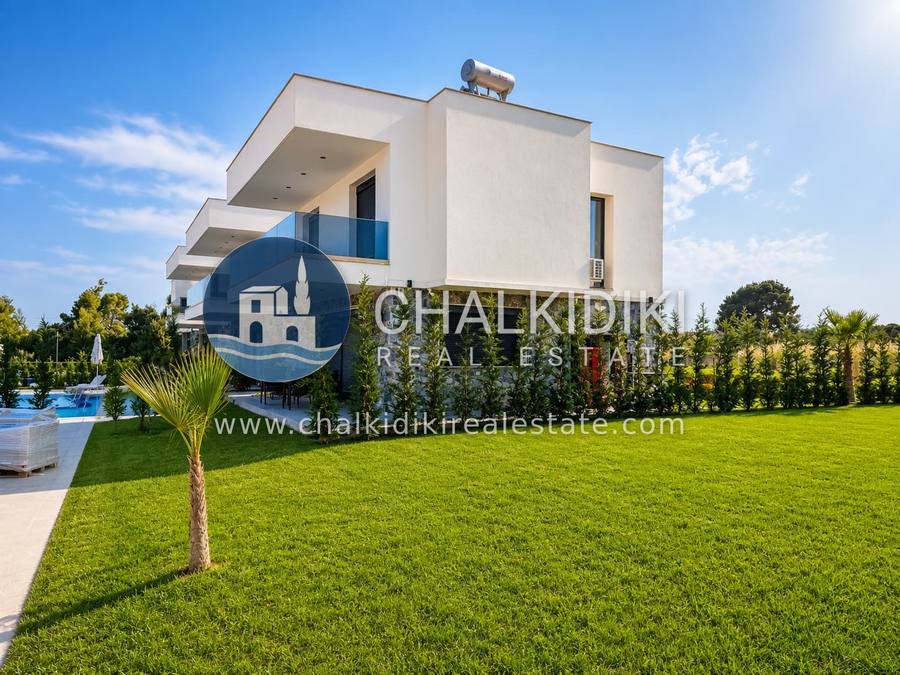
Luxury Pool Villa in Kallithea, Chalkidiki
- 3bedrooms
- 2bathrooms
- 121 m²living area
- 900 m²plot
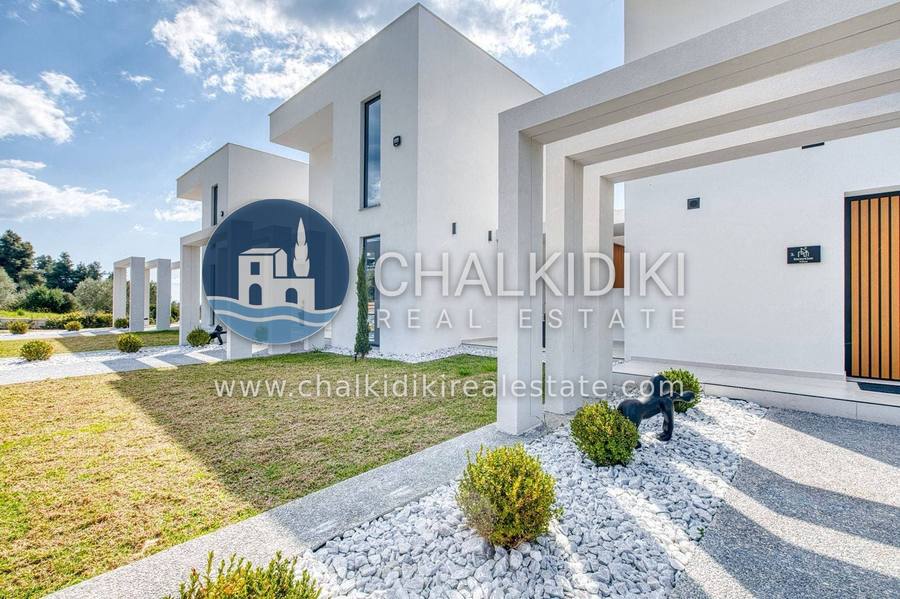
Luxury Villa with Panoramic Sea View | Private Pool | Golden Visa Eligible | Chalkidiki
- 3bedrooms
- 2bathrooms
- 184 m²living area
- 1,000 m²plot
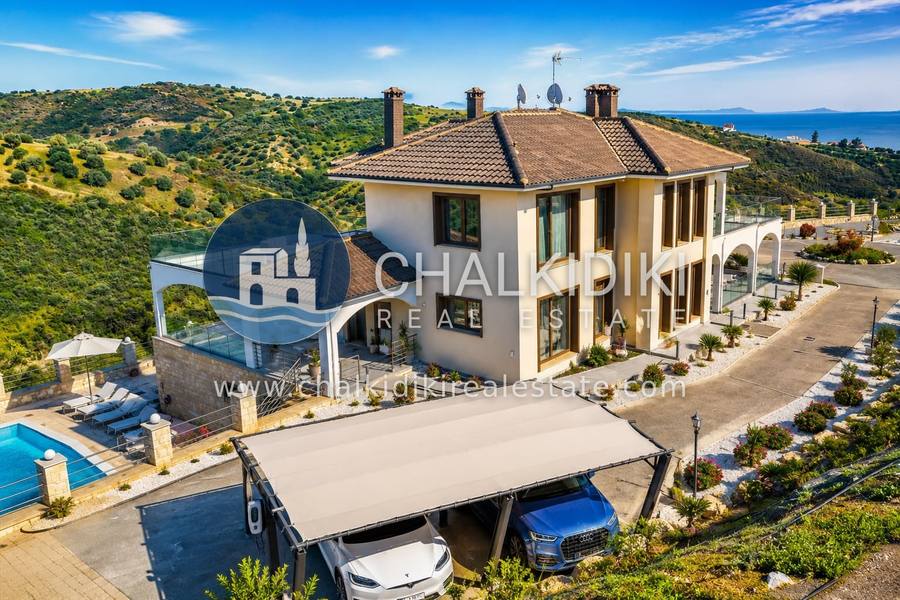
Luxury 500 m² Villa with Private Pool & Panoramic Sea View in Nea Skioni, Chalkidiki
- 9bedrooms
- 7bathrooms
- 500 m²living area
- 6,500 m²plot
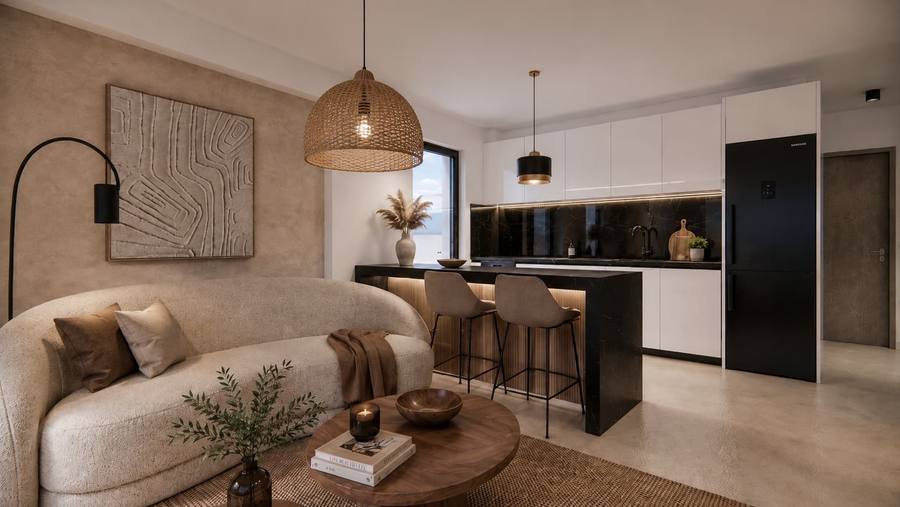
New Build Apartment Complex with Pool in Polichrono, Chalkidiki
- 8 unitsunits
- 14bedrooms
- 12bathrooms
- 652 m²living area
- 1,070 m²plot
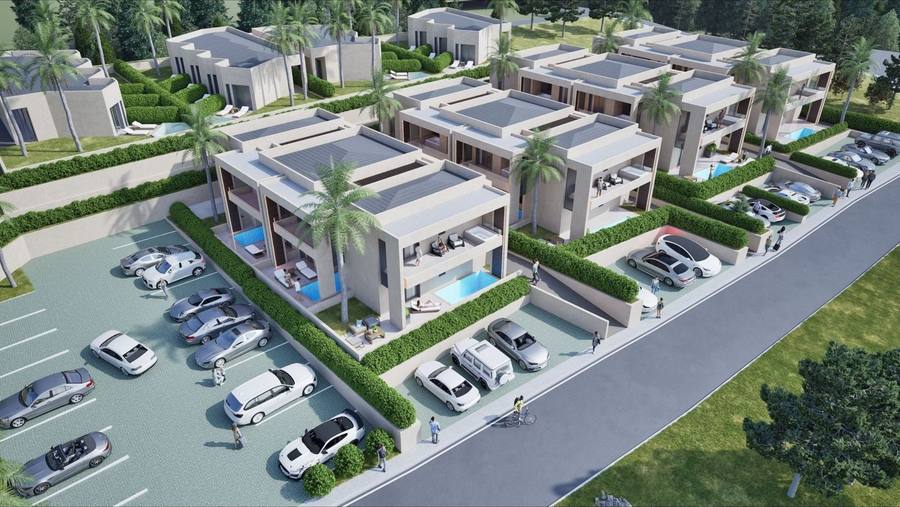
Turnkey New Build Investment Apartments at Seven Rocks Residence in Paliouri
- 5 unitsunits
- 1bedrooms
- 1bathrooms
- 36 m²living area
Nothing matches this search. Tell us what you are looking for — a large part of our stock is off-market.

Do you have questions about property for sale in Chalkidiki or would you like to arrange a viewing? Contact me directly by phone, WhatsApp or email.
- Mobile: +30 693 470 9163
- WhatsApp: +30 693 470 9163
- Email: hb@chalkidikirealestate.com
- Location: Chalkidiki Real Estate
- LinkedIn: Hans-Jürgen Bahner – Over 17k Followers
- Bestselling Author: Find My Books Here
Personal support for international property buyers in Chalkidiki and throughout Greece.
Select a topic to understand the Chalkidiki property market and plan your search.
Chalkidiki at a Glance
Chalkidiki sits in Central Macedonia, immediately south-east of Thessaloniki, and its shape is its defining feature. Three peninsulas extend into the Aegean from a wide mainland, giving the region an unusually long coastline for its area and a set of very different micro-climates, landscapes and settlement patterns within an hour or two of each other.
For a buyer this matters more than any regional average. The western peninsula is developed for tourism and reached quickly from the airport. The middle one is greener, more dramatic and less built. The third runs up to the monastic state of Mount Athos and remains the quietest and the most affordable. The mainland behind them divides into hill country and a flat working coast that Thessaloniki treats as its weekend shore.
Ownership is straightforward in principle and detailed in practice. Foreign nationals can generally buy, the process is notarial and well established, and the professional roles are clearly separated. What varies from property to property is the quality of the paperwork: title history, permits, legalisation of past alterations, plot records and, on land, whether anything may be built at all.
Why Buyers Choose Chalkidiki
The first reason is that it is a mainland coast. There is an international airport with year-round flights, a major city with hospitals, universities and specialists, motorways, tradespeople who live locally, and no dependence on ferries or a summer-only flight schedule. Owners can arrive in February as easily as in July, which is not true of most Greek island destinations at a comparable price.
The second is variety within a short radius. A buyer can compare a resort apartment, a hillside house, a fishing-village cottage and a mountain stone house in the same week without changing region. Very few Mediterranean destinations let a search be refined that quickly.
The third is price relative to the better-known Greek markets. Chalkidiki is not cheap by Northern Greek standards, but it is a fraction of the Cycladic islands for comparable sea proximity, and the gap between a first-line property and one a short walk back is wide enough to buy considerably more house.
Getting There and Moving Around
Thessaloniki Airport is the reference point for every location in the region, and the drive from it is one of the strongest practical differentiators between areas. The northern shore and the neck of Kassandra are close enough for a same-day arrival to still be a usable day. The southern tips of Kassandra and Sithonia, and the far side of the Athos area, are a longer run, and in high season considerably longer.
Approximate driving figures for orientation, to be confirmed for your own route and season:
| From Thessaloniki Airport to | Approximate road distance | Typical driving time |
|---|---|---|
| Nea Moudania and the northern shore | about 55 km | around 45 minutes |
| The neck of Kassandra at the canal | about 65 km | around 50 minutes |
| Polygyros and the inland hills | about 65 km | around 55 minutes |
| Northern Kassandra resorts | about 80 km | around one hour |
| Northern Sithonia | about 80 km | a little over one hour |
| Southern Kassandra | about 110 km | around one and a half hours |
| Ierissos and the Athos area | about 110 km | around one and a half hours |
| Southern Sithonia | about 130 km | around two hours |
Within the region a car is effectively required. Bus connections exist to the main towns but not usefully between villages, and almost no property outside the town centres is practical without one. Between mid-July and late August the single-carriageway coast roads carry heavy traffic, and a twenty-minute drive can double.
Kassandra: Resorts and Access
Kassandra is the western peninsula, separated from the mainland by the canal at Potidea, and it is the most developed part of the region. Its east coast along the Toroneos gulf carries the resort belt: Kallithea at the northern end with the widest range of services and the liveliest nightlife, then the string of beach towns south of it, of which Hanioti and Pefkohori are the busiest in summer.
Between and above them sit the quieter alternatives. Afitos is the peninsula's showpiece, a protected stone village on a cliff with views across to Sithonia, and the place where old houses command the strongest prices. Towards the mainland, Nea Fokea offers the shortest drive of any Kassandra address. On the west coast the character changes to sunsets and calmer beaches, with Sani anchoring the upper end of the market around its resort and marina. The southern end around Paliouri has more space, more nature and a longer drive.
Kassandra suits buyers who want an easy first purchase: plenty of supply, established management and letting infrastructure, walkable towns and a resale market with real depth. The trade-offs are density, summer crowding and the fact that several of its towns are genuinely quiet from November to April. The full picture is on the Kassandra property overview.
Sithonia: Coastline and Pine
Sithonia is the middle peninsula and the one most buyers describe as the beautiful one. Pine forest runs down to the water, the coast is indented with coves rather than continuous strips of sand, and development is thinner and lower. The road forks at Nikiti, the peninsula's largest town and the only place on it that functions fully through the winter, with schools, a health centre, banks and year-round trades.
Down the west coast, Neos Marmaras adds a marina and a livelier resort infrastructure, with the mountain village of Parthenonas restored on the slopes above it. The southern tip has the region's dramatic addresses, from the deep natural harbour at Porto Koufo to the long beach at Toroni. On the east coast, Vourvourou is the best-known name, a sheltered bay scattered with islets, and further south Sarti has the longest beach and a direct view of Mount Athos across the gulf.
Sithonia carries the highest average asking prices in Chalkidiki. It suits buyers who value landscape and privacy over convenience, and who accept that outside Nikiti and Neos Marmaras the winter is very quiet and the drive is longer. The Sithonia property overview sets out the coasts and villages in detail.
The Athos Area: Space and Value
The third peninsula belongs to the monastic state of Mount Athos, which is closed to property purchase and to female visitors, and which admits male visitors only on a permit. What is for sale is the land around it: the municipality of Aristotelis, running along the Gulf of Ierissos and back into the hills.
The coastal anchor is Ierissos, a genuine year-round town with a long beach and a boatbuilding tradition, and at the border itself Ouranoupoli, where the Athos ferries leave and where pilgrim traffic supports the town outside the beach season. Offshore lies Ammouliani, the region's only inhabited island, reached by car ferry. Inland, Arnea is a hill town of stone houses and wooden balconies in chestnut country, with a full winter life and no beach at all.
This is the value end of coastal Chalkidiki. Prices are noticeably below the two western peninsulas for comparable proximity to the water, and the drive from the airport is the reason. Buyers who plan long stays rather than short trips often find the arithmetic works in their favour. The Athos area overview covers the whole municipality.
Polygyros and the Inland Hills
Behind the peninsulas the land rises into the forested Holomontas massif. Polygyros, the regional capital, sits on a slope here: administrative centre, hospital, courts, cadastre office and a housing market that serves residents rather than holidaymakers. Around it lie hill villages with stone houses, springs and oak and beech forest, and the sea is a drive rather than a walk.
This is the cheapest property in Chalkidiki by a wide margin, and it is bought for different reasons: a weekend house within an hour of Thessaloniki, a permanent home with real winters and real neighbours, a renovation project, or land with space. It is also where the practical questions shift from coastal ones to inland ones, namely forest register entries, agricultural land and its conversion, access in snow, and heating a house at altitude.
Buyers who assume they want the coast should still spend half a day here. A surprising number change their mind about how much beach frontage they are willing to pay for once they see what the same money buys twenty minutes inland.
Nea Moudania and the Northern Shore
The flat coast north-west of the Kassandra canal is the part of Chalkidiki that Thessaloniki uses as its own. Nea Moudania is the commercial centre of western Chalkidiki, a working town with a harbour, a marina, shops, schools and a hospital, and the shortest drive to the airport of any coastal address in the region.
Along the shore either side of it run holiday settlements built for weekend use rather than for tourism: rows of houses stepping back from the sand, full in August, largely empty in January. Behind them is farmland and a set of inland villages that live year-round on agriculture. At the neck of the peninsula, the canal town on the isthmus has beaches on both sides of a narrow strip of land.
The area suits buyers who value access above scenery, who intend to use the property often rather than intensively, or who want a rental property with a short transfer time for guests. Prices sit clearly below Sithonia and the southern half of Kassandra.
Comparing the Five Areas
Reduced to their essentials: Kassandra offers convenience, supply and resale depth at the cost of density. Sithonia offers landscape and privacy at the cost of distance and winter quiet. The Athos area offers space and value at the cost of the longest drive. Polygyros offers the lowest prices and a real year-round community at the cost of the sea. The northern shore offers the shortest journey at the cost of drama.
None of these is better than the others. They are answers to different questions, and the useful exercise is deciding which question you are actually asking before you look at listings.
How to Narrow Down Where to Buy
Work through four questions in order. First, how many weeks a year will the property be used, and in which months. Second, how often will you travel to it, and from where. Third, does it need to work in winter, or only between May and October. Fourth, what is the total budget including transaction costs and the first year of works, not the asking price.
Those four answers usually eliminate three of the five areas immediately. A buyer with six weeks in high summer, two trips a year and a summer-only requirement has the whole region open and should choose on landscape. A buyer planning eight visits a year and winter use has the northern shore, the neck of Kassandra, Nikiti, Polygyros and Ierissos on the list, and very little else.
Only then does the property type question arise. Choosing a house before choosing an area is the most common way to spend a viewing trip badly.
Types of Property in Chalkidiki
The market divides into detached houses and villas, apartments and maisonettes, traditional stone houses in the protected villages, new-build and off-plan units, building plots and agricultural land, and commercial property. Each behaves differently in price, running costs, letting and resale.
Advertising labels are not legal categories. A property described as a villa may be an independent house on its own plot, or a unit inside a horizontal ownership structure with shared roads, gardens and a shared pool. What you own, what you pay for jointly, what you may alter and how easily you can sell all depend on which it is, and that has to be established from the deed rather than the listing.
The sections below cover each type, and the dedicated guides go into the detail for the type you settle on.
Villas and Detached Houses
Detached houses are the most requested category and the thinnest supply in the desirable micro-locations. They range from compact holiday houses a few streets back from a beach to substantial sea-view residences on large plots, and the price spread within a single village can be a factor of five.
The questions that matter are physical independence, legal access, the slope and its drainage, whether the view is protected by topography or merely by the current absence of building on the plots below, and what the plot costs to maintain when nobody is there. A pool multiplies the running cost and the liability, and should be a deliberate choice rather than a bonus.
Our villa buyer's guide for Chalkidiki works through the category in full, including construction standards, pool checks and the specific risks of coastal and hillside houses.
Apartments and Maisonettes
Apartments and maisonettes are the practical entry point to the region and the easiest properties to own from a distance. Maintenance is shared, letting is operationally simple, and the buyer pool at resale is the widest of any category.
The variables are floor and orientation, the condition of the building rather than of the unit, what the deed says about shared parts, whether a building fund exists and is solvent, parking rights, and whether the terrace is usable in the afternoon. In coastal buildings, deferred maintenance concentrates in the roof, the facade, the water pipes and the electrical installation, and it arrives as a shared assessment years after purchase.
The apartments guide covers the segment, including how horizontal ownership works in Greek practice.
Traditional Stone Houses
Several Chalkidiki villages are protected settlements, and the stone houses in them are the region's most distinctive properties. Afitos on Kassandra, the old upper village at Nikiti, Parthenonas above Neos Marmaras and the hill town of Arnea are the best-known examples, each with its own rules.
Buying one means accepting three constraints. External alterations are restricted and materials may be prescribed. Access for materials and machinery is limited, which raises labour costs above the equivalent work on an open plot. And the paperwork on old houses is the most likely in the region to involve inherited co-ownership, boundaries defined by walls rather than surveys, and additions built before current documentation standards.
None of that is a reason to avoid them. It is a reason to have a lawyer, a civil engineer and a renovation budget with a real contingency agreed before committing rather than after.
New-Build and Off-Plan
New construction in Chalkidiki is mostly small in scale: individual houses, small complexes of maisonettes, occasionally a new apartment building. The advantages are current insulation and glazing standards, modern services and low short-term maintenance, which matter more than they sound if the property will be used outside summer.
Off-plan requires different protections from a completed sale. The seller's title to the land, the validity of the permit, a technical specification in writing rather than in the brochure, payments tied to verified construction stages, a completion deadline with consequences for delay, and the warranty position all belong in the contract, and a buyer's own engineer should inspect at the agreed stages rather than only at handover.
The off-plan and new-build guide sets out the safeguards in detail.
Land and Building Plots
Land is the category where the gap between an informed and an uninformed buyer is widest, because the price of a plot is entirely a function of what may legally be built on it, when, and at what cost of connection.
Plots inside a town plan are generally straightforward, with defined coverage and height rules and existing networks. Plots outside it fall under out-of-plan rules, where minimum size, road frontage, permitted footprint and legal access each have to be established individually. Forest register entries, archaeological supervision, the shoreline protection zone and stream setbacks can each reduce or remove buildability on land that looks entirely ordinary on the ground.
Our land and building plots guide and the general buying land in Greece guide cover the checks that have to precede any offer.
Commercial and Investment Property
Beyond residential, Chalkidiki has a market in small hotels and guesthouses, apartment blocks operated as tourist accommodation, restaurant and retail premises in the resort centres, and development land with tourism zoning. These are operating businesses as much as they are real estate, and they are valued accordingly.
The additional questions are licensing and its transferability, the accounts behind the stated turnover, staffing, the condition of plant and equipment, and how the asset performs in a weak season rather than a strong one. Seasonality that is manageable for a private owner can be decisive for a commercial operation.
Our commercial and investment property guide covers the segment.
Beachfront, First Line and Sea View
First line is the term that causes the most confusion. Before paying the premium, establish what it means for the specific property: direct frontage onto the beach, a public road between the property and the sand, or a view over other buildings. All three are advertised the same way.
Coastal property sits within a defined shoreline and beach zone framework, and the position of that boundary relative to the plot governs what may be built, extended or fenced. It should be established by a lawyer and an engineer rather than inferred from what is already standing.
The practical trade-offs are consistent across the region. First-line property takes more salt, more humidity and more wind, needs more frequent maintenance of metalwork, glazing and external timber, and is busier in high season. A second-row property with a clear elevated view is very often the better long-term proposition, and costs meaningfully less.
Prices and What Drives Them
Portal asking prices published for the second quarter of 2026 put Sithonia at roughly three thousand euro per square metre on average, Kassandra a little below that, and the western mainland around Kallikratia lower again. Those figures are orientation only: they are asking prices rather than transaction prices, and they average across everything from a beachfront villa to an inland apartment.
Within any given village the factors that actually move price are the walking distance to the sea, the quality and permanence of the view, plot size and privacy, the legal cleanliness of title and permits, construction period and standard, heating and insulation, parking, and whether outdoor space is genuinely usable. A property strong on all of these will not be cheap in any market phase; one weak on several will look like a bargain and behave like one at resale.
The single largest step is from first line to second or third row. Our Chalkidiki property market report sets out the sources, the method and the differences between location bands.
What Ownership Costs Each Year
Budget for annual property tax, municipal charges, utilities, insurance, routine maintenance, garden and pool care where applicable, management if you are not present, and a reserve for periodic works such as roof, facade and terrace waterproofing.
Coastal buildings consume more maintenance than inland ones, and unoccupied buildings age faster than occupied ones. A property visited twice a year and otherwise sealed will develop damp, seized fittings and garden problems that a property checked monthly will not.
The most common budgeting error is treating the purchase price as the commitment. The realistic figure is the purchase price plus transaction costs plus the first year of works plus an annual running figure, and it is worth writing all four down before viewing anything.
Buying a Holiday Home
For holiday use the deciding factors are friction: time from the airport to the front door with luggage, where the car goes, how the property is opened and closed, who checks it in February, and who maintains the garden and pool. A property that scores well on all of these gets used. One that does not quietly stops being used.
Decide at the outset whether the property will also be let. That decision shapes layout, furnishing, storage, key handling and even the micro-location, and it is far cheaper to design for at purchase than to retrofit.
The holiday home guide works through the choice.
Buying for Permanent Living
For permanent or long-stay living the criteria invert. Heating and insulation matter more than terrace size, indoor living space more than sun loungers, storage and utility space more than a guest bedroom used twice a year. So does the presence of a community that exists in January.
The administrative side is manageable but should be planned in advance: tax number, bank account, residence status for non-EU nationals, health cover, vehicle registration and utility contracts in your own name. Our living in Chalkidiki guide describes what daily life actually involves.
Spend a winter week in the shortlisted place before buying if you possibly can. Most buyers find it either reassuring or clarifying, and both outcomes are worth having before signature.
Retiring to Chalkidiki
For retirement the decisive factors are healthcare access, walkability, level ground, a community outside the season, and a property that can be maintained without effort. Single-level living, or a layout where the essential rooms are on one floor, is worth more over a twenty-year horizon than an extra bedroom.
Practically, this narrows the field to the towns rather than the scenic hillsides: places with a health centre, pharmacies, flat streets and a hospital route to Thessaloniki. The most attractive plot in the region is not much use if the front door is up thirty steps.
The financial and administrative aspects, including pension taxation and residence, are covered in our retiring in Greece guide. Confirm your own position with a Greek tax adviser rather than relying on any general description.
Investment and Rental Income
Chalkidiki's letting market is real but concentrated. The core is July and August, with meaningful demand in June and September and a thin shoulder either side. Guests are predominantly families and couples from Greece, the Balkans and central Europe, with a growing share from further afield.
Yield indications for the region drawn from user-submitted data have been reported in the range of roughly five to seven and a half per cent gross, but the underlying data is thin and property-specific results vary widely. Treat any published yield as orientation, not a forecast, and build your own calculation from realistic weekly rates by month, realistic occupancy, all operating costs, taxation and a maintenance reserve. Then test it against a weak season.
Short-term letting in Greece is a regulated activity with registration and tax obligations, and the rules have changed more than once. Any property bought primarily to let should have its permitted use and registration position checked before purchase.
Golden Visa and Chalkidiki
Chalkidiki falls within the four hundred thousand euro investment threshold of the Greek residence-by-investment programme, rather than the eight hundred thousand applied to Attica, Thessaloniki, Mykonos, Santorini and the larger islands. Additional conditions apply, including a minimum property size, the requirement to acquire a single qualifying property, and a prohibition on short-term letting of that property.
Ownership and residence remain separate matters. Buying here does not by itself grant residence; a qualifying investment can support an application, which is then its own legal and administrative process with its own documentation and timelines.
The programme has been amended repeatedly, most recently in 2026, and thresholds and procedures should be confirmed for the year of signature. Our Golden Visa guide is kept current, and qualifying properties are listed separately.
Seasonality and the Winter Test
Almost every disappointment in this market traces back to a purchase decided in August. The region between June and September and the region between November and April are different places, and both are relevant to how a property will be used.
Ask specifically, for the exact settlement: which supermarkets stay open, whether there is a pharmacy in winter, whether the tavernas close, whether the neighbours are resident, whether the road is maintained, and whether tradespeople live locally. The answers vary enormously between villages that are ten minutes apart.
Buildings differ too. Housing built for people who live in it tends to have better insulation, proper heating and more usable indoor space than housing built purely for August, and retrofitting the difference is expensive.
Writing a Buyer Brief That Works
A good brief is short, specific and honest about trade-offs. It states intended use and weeks per year, total budget including costs and immediate works, minimum bedrooms actually needed, maximum acceptable walking distance to sea and shops, a position on stairs and slopes, whether letting is intended, and the timeline.
It should also state what you will give up. Almost no property satisfies every criterion, and buyers who have not decided in advance whether the view or the walk to the bakery matters more tend to view many properties and buy none.
Foreign Buyers: What Applies
Foreign nationals can generally acquire Greek property, subject to current legal requirements. Nationality, the exact location of the property and any special restrictions applying to border regions must be verified by an independent Greek lawyer before commitment rather than assumed.
In practice every foreign buyer needs a Greek tax number and, for most transactions, a Greek bank account. Both take time and documentation, and starting them early is the single most effective way to avoid delay later. Funds arriving in Greece need a clear and documented origin.
Our guide for foreign buyers and the required documents guide list what is needed and in what order.
Legal Due Diligence
Engage an independent Greek lawyer, instructed and paid by you, before any deposit is placed. Their role is to verify the title chain and the seller's right to sell, to check the Land Registry and Cadastre position, to identify mortgages, liens, seizures or third-party claims, to confirm inheritance and co-ownership status, and to verify that the building and any additions are legally covered.
The engineer's certificate confirming that no unauthorised construction exists, or that any such construction has been properly legalised, is a required element of the transaction and is frequently where problems surface in older properties.
Confirm the position on outstanding property taxes, municipal charges and utility debts attached to the property. The full sequence is in our legal due diligence guide, and the professional roles in the lawyer, notary and land registry guide.
Technical and Structural Checks
A civil engineer's inspection should cover structure and any signs of movement, roof and waterproofing, damp and salt damage, the thermal envelope and glazing, the electrical installation and its compliance, plumbing and drainage, heating and cooling, and the condition of terraces, balconies and retaining structures.
Ask specifically about winter behaviour. Many coastal properties were built for summer use, and condensation, cold bridging and unheatable volumes only appear between November and March.
Have the findings in writing before signing anything, and use them either to adjust the price or to plan the first year's works with a real budget rather than an estimate.
Planning, Zoning and Buildability
Even on a built property, planning status matters. Remaining building capacity determines whether you can extend, add a pool or build a second structure, and it is a real component of value that is rarely stated in listings.
Establish whether the plot sits inside or outside the town plan, its registered area against its actual measured area, coverage and height allowances, and whether any part of the existing building relies on a legalisation rather than an original permit. Legalised structures are legitimate but they behave differently in a later extension application.
Where a property is sold with plans for future work, treat the plans as a proposal rather than a permission until an engineer confirms what would actually be approved.
Coastal, Forest and Fire Factors
Three environmental layers recur across the region. On the coast, salt and humidity increase the frequency of maintenance rather than merely its cost, and the shoreline protection zone constrains what may be built or fenced. In the pine country of Sithonia and the hills inland, the forest register determines whether land counts as forest, which can remove buildability entirely.
Fire risk is a genuine consideration in pine-covered areas and deserves practical attention: vehicle access wide enough for emergency services, a second route out, defensible space around the building, and roof and terrace materials that do not catch.
Water management on sloping ground and seasonal stream setbacks complete the picture. All of these belong in the viewing and the engineer's brief, not in the year after purchase.
Water, Power, Internet and Waste
Confirm that water, electricity and drainage connections exist legally and are registered, and that no debts are attached. Outside the town plans, check whether drainage is a septic system or a sealed tank, who empties it and what it costs.
Water pressure at elevated positions and supply reliability at the height of summer are worth asking about specifically, as is electrical capacity if you intend to add air conditioning, a heat pump, a pool or a vehicle charger.
Connectivity has improved substantially across the region and matters increasingly for owners who work remotely or let. Check the service actually available at the address rather than the coverage map.
Planning a Viewing Trip
Group viewings by area rather than by property type, so that you compare like with like and learn the places rather than the individual houses. Three focused days across two areas produce better decisions than a week of scattered appointments across five.
See at least one property in each shortlisted area even if you think you already know what you want. Standing in a resort town and then in a hill village on the same afternoon changes a surprising number of briefs.
Visit the leading candidate twice, at different times of day, and walk the surroundings without an agent. Photograph the meters, the roof, the terraces, the boundaries and anything recently repaired, and write down the questions for your lawyer and engineer while you are still standing there.
Buying from Abroad
A large share of purchases here are made by buyers who cannot travel repeatedly, and it works provided the process is structured. Video viewings should be live rather than edited, and should include the approach, the surroundings, the technical spaces and the defects, not only the highlights.
A power of attorney to your Greek lawyer allows the transaction to proceed without your physical presence at every stage. Its scope should be defined precisely and prepared in advance rather than under time pressure.
Begin the tax number and bank account well before you find a property. They are the most common cause of a delayed completion.
Making an Offer
An offer is stronger when it is specific: the price, the payment structure, the intended timeline, the conditions attached to legal and technical verification, what is included in terms of furniture and equipment, and how long the offer stands.
In the stronger micro-locations a well-prepared buyer with a lawyer already instructed and funds demonstrably available beats a higher offer that is vague about process. Sellers here have seen transactions collapse over financing and paperwork often enough to price certainty.
Reserve or preliminary agreements should be reviewed by your lawyer before signature, and any deposit should be held on defined terms with defined conditions for its return. Never place funds on a verbal assurance.
Purchase Costs and Taxes
Beyond the price, budget for transfer tax, notary fees, land registry and cadastre fees, legal fees, engineer's fees, agency commission, and translation or power of attorney costs where relevant. Buyers commonly plan for a single-digit percentage of the purchase price in total, but the exact figure depends on the property and should be quantified for your specific case.
Tax rules change, and the treatment of a transaction depends on the property, the parties and the year of signature. Nothing in a general guide substitutes for your lawyer's or tax adviser's confirmation before you commit.
The full framework is in our costs and taxes guide.
Financing a Purchase
Most international purchases in Chalkidiki complete with equity. Greek mortgage lending to non-residents exists but is selective, with conservative loan-to-value ratios, documentation covering income and origin of funds, a valuation by the bank's own surveyor, and timelines that need to be reflected in the purchase agreement.
Some buyers instead release equity at home, where conditions may be more favourable and the process more familiar. Either route should be settled before an offer, because a financing condition materially changes how a seller reads it.
Plan currency transfer and compliance documentation early. Our mortgages and financing guide compares the options.
Ownership Structure and Succession
Decide before the contract whether the property will be held by one person, by joint owners, by family members in defined shares, or through a company. Each has consequences for taxation, for succession and for the ease of a later sale, and changing structure afterwards is expensive.
Where several family members buy together, define in advance how costs are shared, how use is allocated, what happens if one party wants out, and how decisions on works are taken. A short written agreement at purchase prevents most of the disputes that otherwise surface years later.
Succession matters particularly for foreign owners, because Greek inheritance procedure applies to Greek real estate. Take advice at the time of purchase rather than treating it as a distant question.
The Purchase Process Step by Step
The sequence is consistent: define brief and budget, view and shortlist, obtain a Greek tax number and bank account, instruct an independent lawyer, agree price and terms, place a deposit on defined conditions, complete legal and technical due diligence, prepare the contract with the notary, arrange funds and pay the transfer tax, sign before the notary, and register the transfer.
Realistic timing from accepted offer to signature is a matter of weeks rather than days, and longer where inheritance, legalisation of additions or plot documentation is involved. Building that into the agreement avoids pressure at the wrong moment.
Each stage is described in our property buying process guide, and the overall framework in the complete guide to buying property in Greece.
Notary, Completion and Registration
In Greece the notary is a public officer who drafts and executes the deed and verifies the formal legality of the transaction. The notary is not your adviser; that role belongs to your own lawyer, whose function is to protect your interests specifically.
At completion the deed is read and signed, the balance is paid in the agreed form, and the transfer is registered with the Land Registry or Cadastre. Registration is what makes ownership effective against third parties, so confirm it has been completed rather than assuming it follows automatically.
Keep the complete file: deed, registration confirmation, engineer's certificate, energy certificate, permits and plans, tax receipts and utility transfers. A well-organised file is worth real money at resale.
After the Purchase
The immediate tasks are transferring utility contracts, registering the property for tax purposes, arranging insurance, changing locks, and organising who holds keys and who checks the property when you are absent.
Then the routine: cleaning and opening before arrivals, seasonal maintenance, garden and pool care, boiler and chimney servicing, and a check after heavy weather. Properties looked after continuously age far more slowly than properties visited twice a year.
Build a small local network early, an electrician, a plumber, a builder and a gardener. In the year-round towns these people are available in January; in the seasonal villages they are not.
Property Management and Letting
Owners who are not present benefit from a defined arrangement rather than an informal one. Typical scope includes regular inspection, key handling, cleaning and laundry, garden and pool maintenance, utility and tax administration, coordination of repairs, and guest management where the property is let.
Agree scope, reporting and cost structure in writing. The most common source of dissatisfaction is not the standard of the work but an unclear understanding of what was included.
Our property management service covers these tasks across the region, including holiday-rental operation.
Renovation and Improvement
Renovation ranges from a cosmetic refresh to full structural reconstruction, and the two have almost nothing in common in permits, timelines or cost. Establish which one you are undertaking before you buy, on the basis of an engineer's assessment rather than an impression.
In protected settlements, external changes are constrained and materials may be prescribed, and restricted access raises labour costs. Elsewhere the constraints are fewer, but permits are still required for anything beyond maintenance.
Plan works outside high season where possible, agree a written specification and a payment schedule tied to progress, and have someone locally supervising. Unsupervised remote renovation is where most budget overruns originate.
Insurance
Insure the building for rebuilding cost rather than market value, and check what is covered in a coastal and seismic region: earthquake, storm, flood, water damage, fire and theft. Standard policies do not always include all of these, and exclusions matter more than headline premiums.
If the property is let, confirm that the policy covers letting activity and includes appropriate liability cover. Many standard residential policies do not.
Notify the insurer if the property is unoccupied for extended periods, since prolonged vacancy can affect cover. Keep an inventory and review the sum insured after any significant renovation.
Resale and Long-Term Value
Properties that resell well across Chalkidiki share recognisable features: clean and complete documentation, a walkable or genuinely private location, a view protected by topography rather than by luck, sound construction, a sensible layout and evidence of continuous maintenance.
Properties that resell slowly usually have one identifiable obstacle: an unresolved legal issue, difficult access, a highly individual layout, deferred maintenance, or a price anchored to what the current owner paid rather than to the market.
Keeping the property file complete throughout your ownership is the cheapest thing you can do for future value. When you sell, our selling guide and valuation service set out what buyers will expect to see.
Common Mistakes
Choosing a property before choosing an area. Deciding on the basis of an August visit alone. Relying on the seller's lawyer instead of instructing your own. Skipping the engineer on an older building. Buying land before buildability is confirmed in writing.
Then the budgeting errors: treating the asking price as the commitment, ignoring transaction costs, underestimating renovation in a protected village, and assuming a peak-season occupancy rate applies across the year.
The most expensive mistake is moving quickly on an emotional response to a view. The view is usually real. The question is whether everything else about the property supports twenty years of ownership.
How We Work With Buyers
We are based in Chalkidiki and work with buyers from the first conversation through to ownership and beyond: clarifying the brief, identifying suitable properties including ones that are not publicly advertised, organising and accompanying viewings, and giving an honest assessment of a property's weaknesses as well as its strengths.
We coordinate the professionals a purchase requires, work alongside your independent lawyer and engineer, and keep the process moving between the parties, which matters particularly for buyers who are not in Greece.
After completion we can continue with management, maintenance, renovation coordination and letting operation, so that the property is looked after rather than left. The initial consultation is free and without obligation.
Buyer Checklist for Chalkidiki
- Decide the area before the property, using trips per year and winter use.
- Set a total budget including transaction costs and first-year works.
- Test the shortlisted place in the season you will actually use it.
- Walk the micro-location rather than reading the distance in a listing.
- Instruct your own independent Greek lawyer before any deposit.
- Commission a civil engineer's inspection on any older building.
- Verify title, permits, legalisations and cadastre position in writing.
- For land, confirm buildability, access and connection costs before offering.
- Establish what first line means for the specific property.
- Check heating, insulation and glazing for any use outside summer.
- Confirm parking and the real walking distance from car to door.
- Obtain a Greek tax number and bank account early.
- Agree the ownership structure and succession position before the deed.
- Budget annual running costs and a maintenance reserve.
- Arrange management and key holding before the first absence.
- Keep the complete property file from day one.
Frequently Asked Questions About Property for Sale in Chalkidiki
Can foreigners buy property in Chalkidiki?
Which part of Chalkidiki should I buy in?
How much does property in Chalkidiki cost?
How far is Chalkidiki from Thessaloniki Airport?
Is Chalkidiki suitable for year-round living?
What types of property are available?
Is a beachfront property worth the premium?
Can I buy land and build my own house?
Do I need a Greek lawyer?
What are the additional costs when buying?
Can property in Chalkidiki generate rental income?
Does buying property give me residence in Greece?
How long does a purchase take?
Can I buy without travelling to Greece?
Which area is cheapest?
What should I check about winter before buying?
Are there properties that are not advertised online?
Is Chalkidiki a good place for a second home?
What ongoing costs should I expect?
What is the best first step?
Related Guides and Services
Do you have questions about property for sale in Chalkidiki or would you like to arrange a viewing? Contact me directly by phone, WhatsApp or email.
- Mobile: +30 693 470 9163
- WhatsApp: +30 693 470 9163
- Email: hb@chalkidikirealestate.com
- Location: Chalkidiki Real Estate
- LinkedIn: Hans-Jürgen Bahner – Over 17k Followers
- Bestselling Author: Find My Books Here
Personal support for international property buyers in Chalkidiki and throughout Greece.