
Property for Sale in Agia Paraskevi Loutra, Chalkidiki
10 properties listed today, from €350,000 to €500,000.
Agia Paraskevi and Loutra form a single small market at the quiet end of the Kassandra peninsula, on its western shore looking out over the Thermaic Gulf. The village sits a little back from the water, the coastal settlement of Loutra sits on it, and the thermal springs that gave Loutra its name are the reason the pairing has a reputation quite unlike anything else on the peninsula. This is a wellness and slow-living address rather than a resort one.
That identity shapes what is for sale. The housing here is a mixture of modest village property, detached houses on the slopes with wide water views, holiday apartments and complexes near the shore, and land where the settlement thins out towards the olive groves. None of these compete with each other in the way they would in a busy resort, because each attracts a different buyer with a different plan for the year.
What follows covers the way the two settlements work together, what the springs do and do not mean for a private owner, how the distance from the airport changes both use and letting, which technical questions matter on this coast, and where Agia Paraskevi and Loutra sit against the better-known villages further north.
Listings
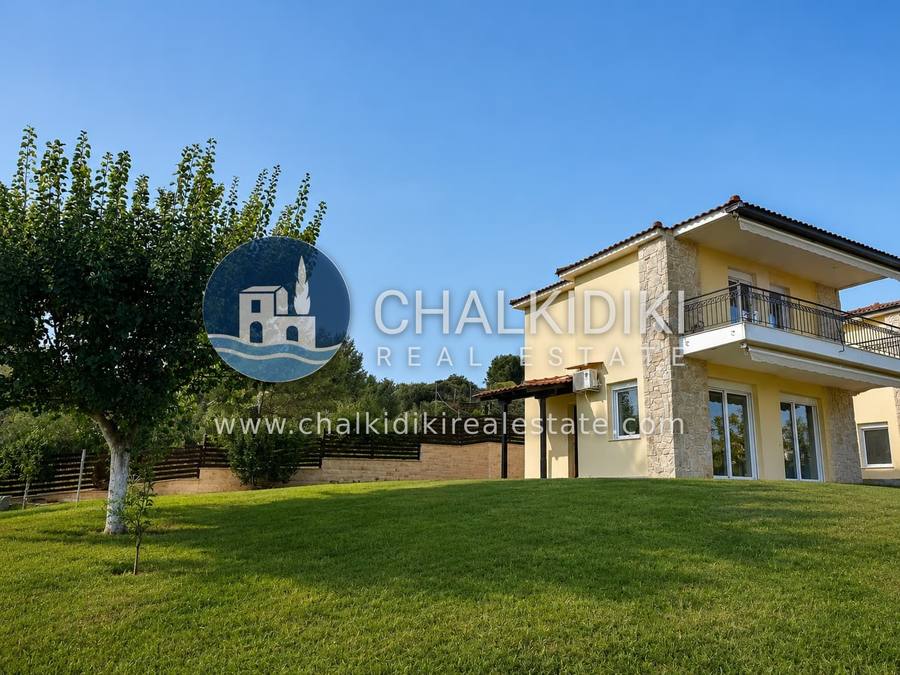
Premium Corner Villa with XXL Garden in Loutra, Chalkidiki
- 3bedrooms
- 2bathrooms
- 101 m²living area
- 1,500 m²plot
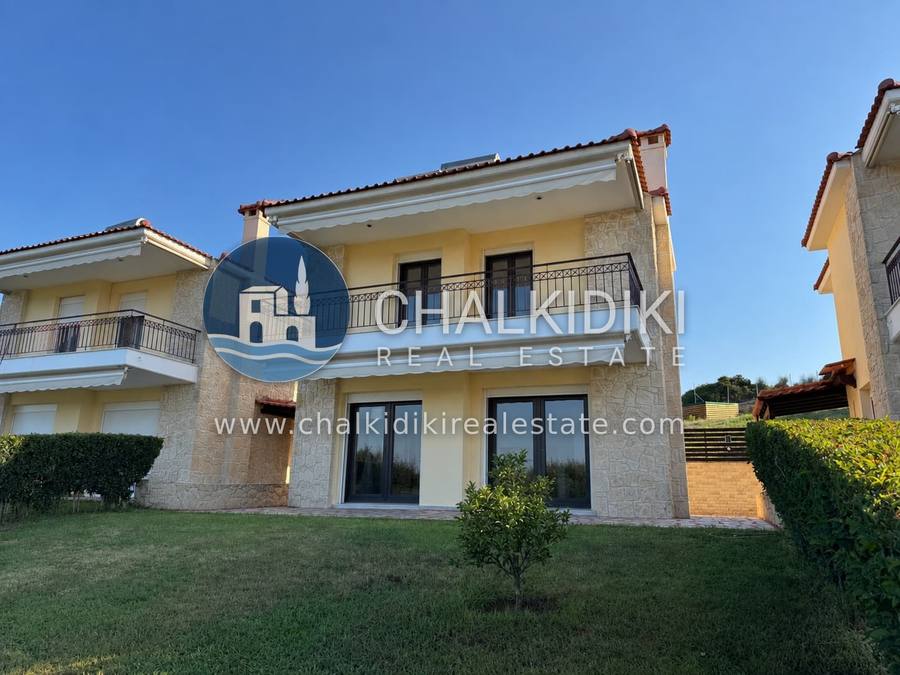
Mediterranean Villa with Private Outdoor Area in Loutra, Chalkidiki
- 3bedrooms
- 2bathrooms
- 101 m²living area
- 700 m²plot
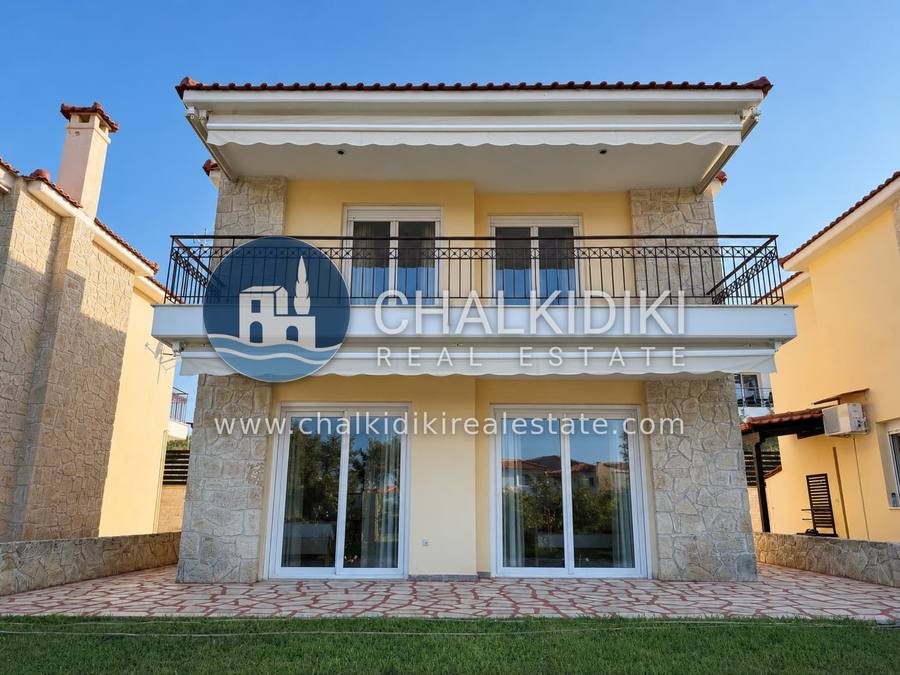
Sea View Investment Villa for Sale in Loutra, Chalkidiki
- 3bedrooms
- 2bathrooms
- 101 m²living area
- 700 m²plot
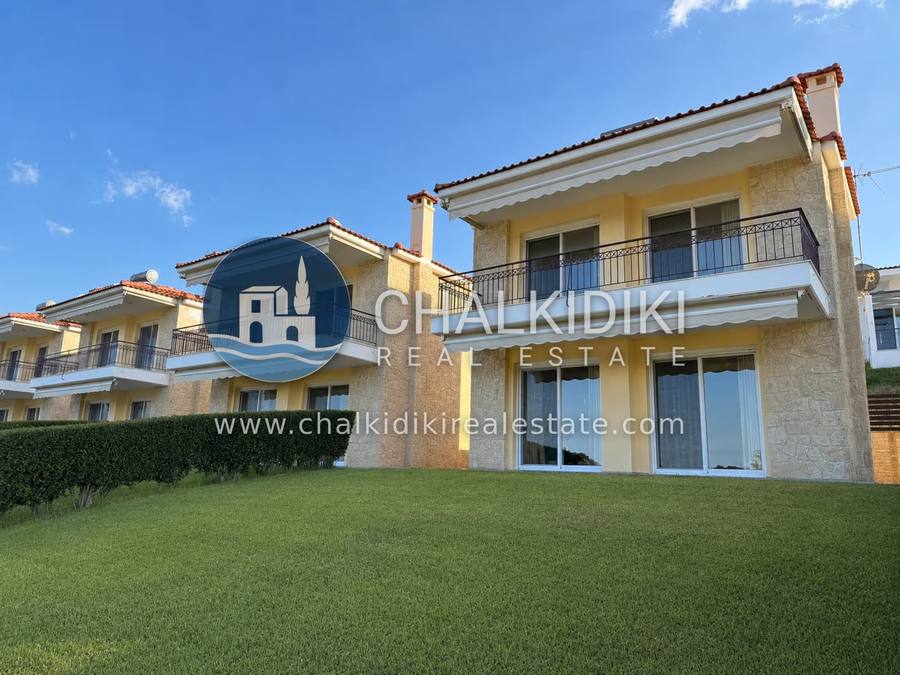
Modern 3-Bedroom Villa with Sea View in Loutra, Chalkidiki
- 3bedrooms
- 2bathrooms
- 101 m²living area
- 700 m²plot
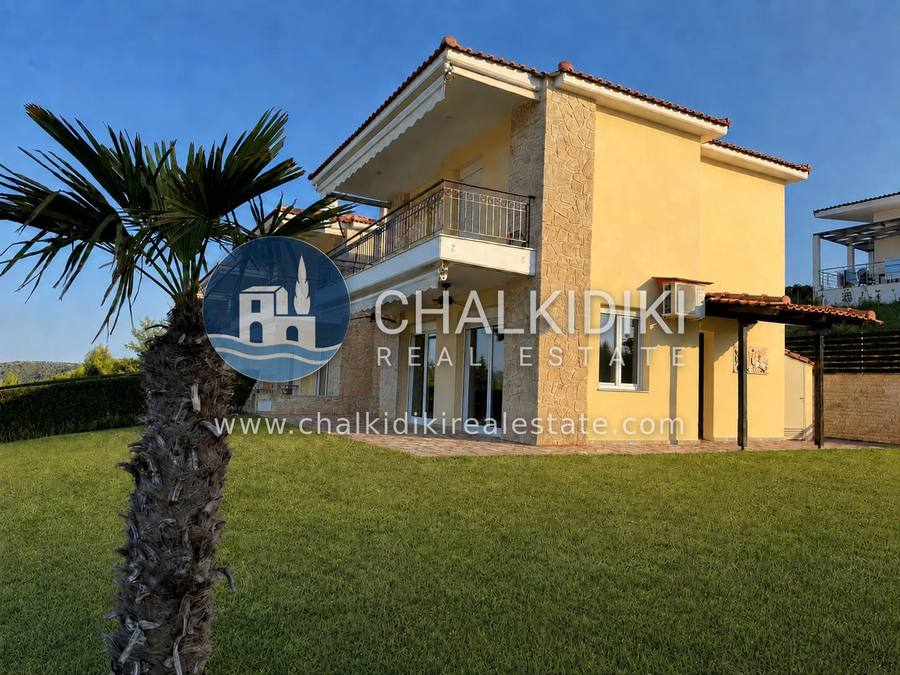
101 m² Holiday Villa with Sea View in Loutra, Chalkidiki
- 3bedrooms
- 2bathrooms
- 101 m²living area
- 1,000 m²plot
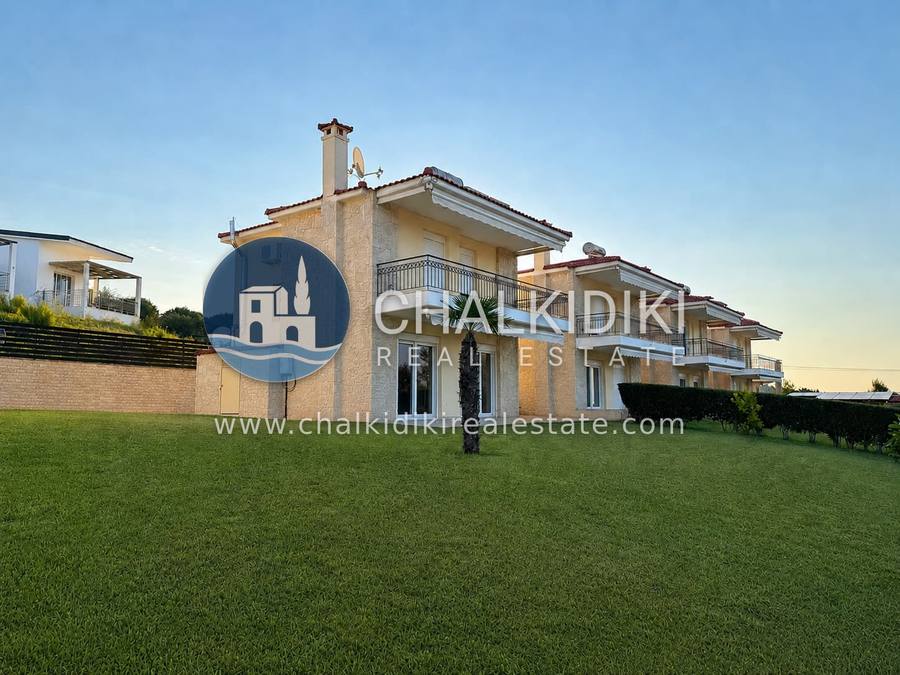
Luxury Holiday Villa in a Gated Community in Loutra, Chalkidiki
- 3bedrooms
- 2bathrooms
- 150 m²living area
- 1,000 m²plot
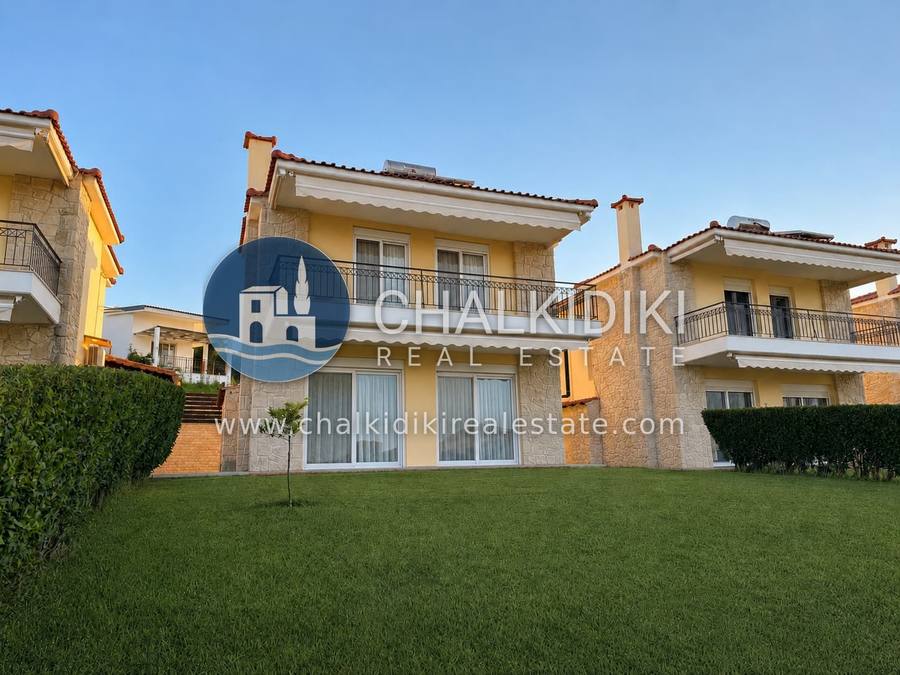
Mediterranean Sea View Villa for Sale in Loutra, Chalkidiki
- 3bedrooms
- 2bathrooms
- 150 m²living area
- 700 m²plot
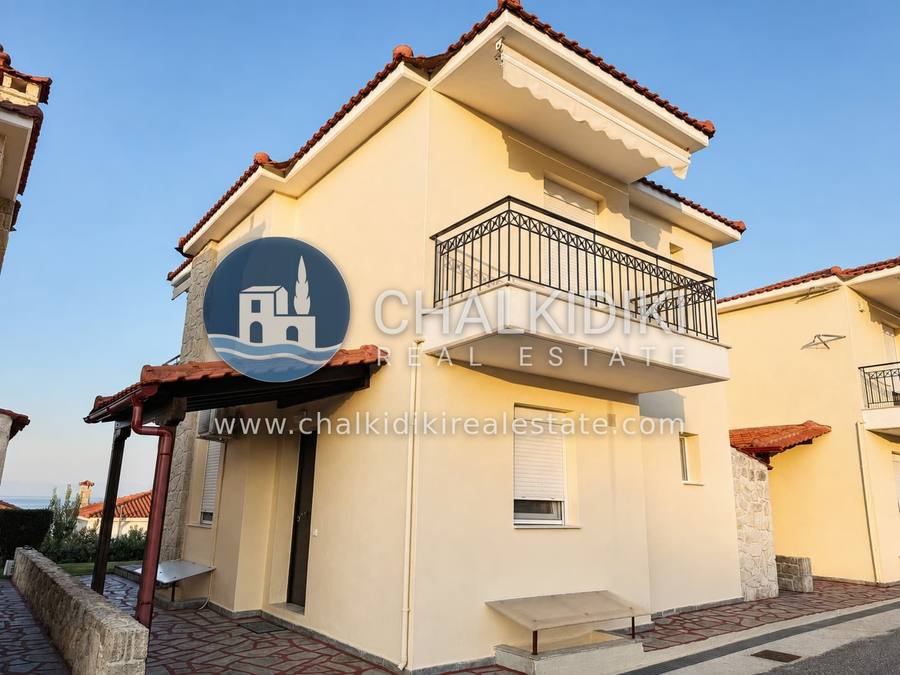
150 m² Villa with Large Garden and Sea View in Loutra, Chalkidiki
- 3bedrooms
- 2bathrooms
- 150 m²living area
- 700 m²plot
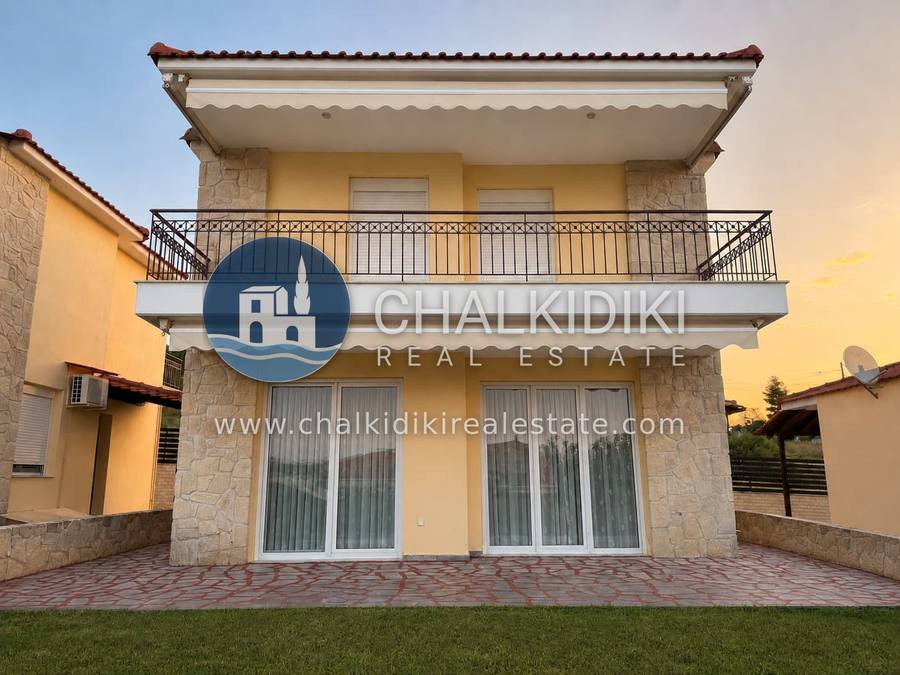
Luxury Family Villa with Sea View in Loutra, Chalkidiki
- 3bedrooms
- 2bathrooms
- 150 m²living area
- 700 m²plot
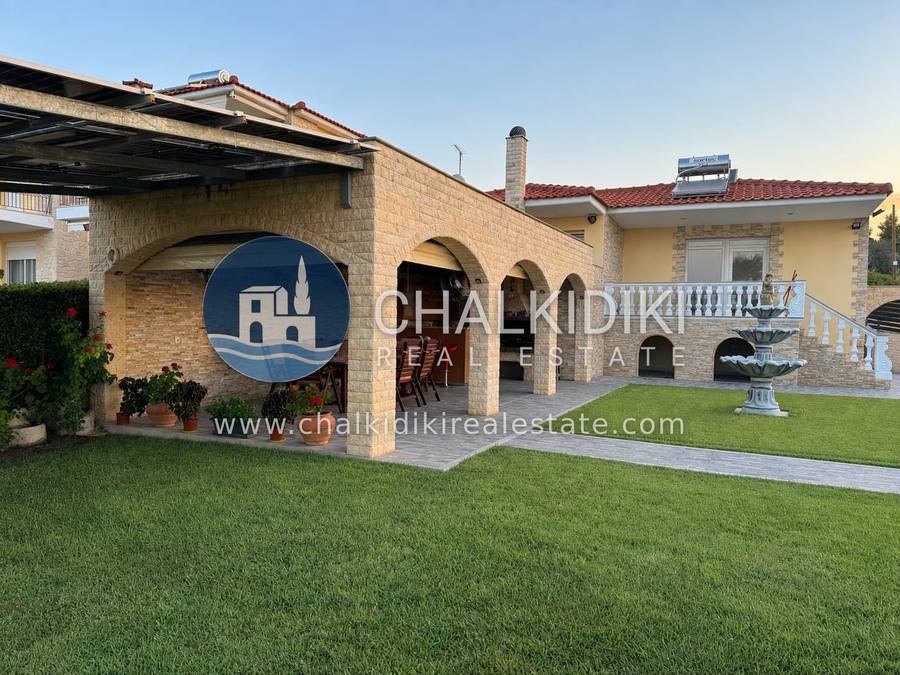
Mediterranean Villa with Private Pool and Large Garden in Loutra, Chalkidiki
- 1bedrooms
- 1bathrooms
- 80 m²living area
- 1,200 m²plot
Nothing matches this search. Tell us what you are looking for — a large part of our stock is off-market.

Do you have questions about property for sale in Agia Paraskevi Loutra or would you like to arrange a viewing? Contact me directly by phone, WhatsApp or email.
- Mobile: +30 693 470 9163
- WhatsApp: +30 693 470 9163
- Email: hb@chalkidikirealestate.com
- Location: Chalkidiki Real Estate
- LinkedIn: Hans-Jürgen Bahner – Over 17k Followers
- Bestselling Author: Find My Books Here
Personal support for international property buyers in Chalkidiki and throughout Greece.
Select a topic to understand the Agia Paraskevi and Loutra property market and prepare your search.
Off-Market Properties in Agia Paraskevi Loutra
Many of the best properties in Agia Paraskevi Loutra never appear on portals - they are sold privately through local networks. Through our local network in Kassandra we source off-market properties before they reach the portals. Tell us your budget and requirements, and we will shortlist matching options for you.
- Local team based in Chalkidiki - viewings within days
- We speak English, German, Russian and Greek
- Free, non-binding consultation
The Local Property Market: Overview
Transaction volumes here are low compared with the northern half of Kassandra, and that is the first thing a buyer should understand. Fewer properties change hands, fewer of them are marketed widely, and the gap between one listing and the next comparable one can be months rather than days. Patience is part of the method in this market.
The buyer pool is correspondingly specific. Greek families with a long connection to the area, northern European second-home owners who found it through the springs or through friends, and a small number of buyers looking deliberately for somewhere without nightlife make up most of the demand. Speculative buying is rare, which keeps the market steady but also means that a property priced ambitiously can sit unsold for a long time.
For a buyer, this combination is an advantage if you are prepared to wait for the right property and a frustration if you expect to choose from a wide shortlist on a single visit.
Two Settlements, One Market
Agia Paraskevi is the village proper, set back from the shore with the church, the square, the shops and most of the permanent population. Loutra is the settlement at the water, built around the thermal baths, with the beach, the harbour side and a concentration of holiday accommodation. They are usually marketed together because they function together, but they are not the same place to live in.
In the village you get community, everyday services within walking distance, and less summer traffic. At Loutra you get the water, the spa and a stronger seasonal rhythm, with more of the neighbouring properties empty from October to May. The drive between them is short, so many owners treat the choice as a matter of preference rather than of logistics.
A buyer should nonetheless decide which of the two they are actually buying into, because it determines who the neighbours are in February.
The Thermal Springs as a Location Factor
The thermal springs at Loutra are the area's defining feature and its main draw outside the peak weeks. They give the coast a visitor profile that is older, calmer and less concentrated on July and August than the rest of the peninsula, which in turn shapes the kind of accommodation that works here and the kind of neighbour you are likely to have.
For a private owner the practical effect is indirect but real. The springs extend the visitor season at both ends, they support a small number of businesses that stay open when a resort village would be shuttered, and they give a letting property a story that is not simply another beach. What they do not do is give a nearby house any right of access to thermal water, and no buyer should assume otherwise.
If a property is marketed as having its own thermal or mineral supply, treat that as a claim to be verified in writing, with the permits and the water rights, before it affects the price.
Where the Area Is and How You Reach It
Agia Paraskevi and Loutra lie in the southern part of the Kassandra peninsula, on the western coast facing the Thermaic Gulf, with Nea Skioni and Fourka to the north and Paliouri around the southern tip on the opposite shore. The peninsula road connects everything, and the last stretch is slower than the fast section near the canal.
The distance from Thessaloniki is the single biggest practical difference between this area and the northern villages, and it should be tested on a real journey rather than estimated from a map. The figures below are approximate.
| From Agia Paraskevi and Loutra to | Approximate road distance | Typical driving time |
|---|---|---|
| Thessaloniki city centre | about 105 km | around 1 hour 45 minutes |
| Thessaloniki Airport | about 95 km | around 1 hour 35 minutes |
| Nea Moudania | about 55 km | around 55 minutes |
| Kassandreia | about 22 km | around 25 minutes |
| Nea Skioni | about 7 km | around 10 minutes |
| Paliouri | about 13 km | around 20 minutes |
| Fourka | about 14 km | around 18 minutes |
| Pefkohori | about 20 km | around 25 minutes |
Roughly ninety minutes to the airport changes behaviour. It removes the casual weekend visit from Germany or the United Kingdom and rewards longer, less frequent stays, which is precisely what many buyers here are looking for.
Why Buyers Choose This Corner of Kassandra
The main reason people buy here is that the area is genuinely quiet without being isolated. There is a working village with a school run, a bakery and a doctor, and there is a shoreline that empties by mid September. For buyers who have spent a season in a busy resort and decided against repeating it, this is the obvious alternative on the same peninsula.
The second reason is price. Because the drive is longer and the tourist infrastructure lighter, the same money buys noticeably more space, more plot and often a better outlook than it does at the northern end. Buyers who prioritise square metres and garden over five minutes to a beach bar tend to end up in the south.
The third reason is the character of the coast itself, which is low, open and west-facing, with long evenings and water that stays calm in settled weather.
The Coast and the Beaches
The shoreline at Loutra is a mixture of sand and shingle with shallow entry in places, backed by tavernas and small accommodation rather than by an organised resort frontage. It is a family beach and a swimming beach rather than a scene, and it stays usable well into the autumn because the water on this side warms early and cools slowly.
Within a short drive the choice widens considerably. Nea Skioni has a longer organised stretch and a fishing harbour, Fourka and its beach settlement sit further up the same coast, and the sand spit and pine backdrop at Posidi are among the best known on the western shore.
Before choosing between them, walk each one at the time of year you actually intend to be here. A beach that is perfect in June can be exposed and wind-blown in late August when the meltemi runs down the gulf.
Micro-Locations: Village, Slope and Shore
Three positions dominate the local market. Inside the village you find older houses, small plots and the everyday services, with the shortest walk to a shop and the least summer noise. On the slope between the village and the sea you find most of the detached houses with a view, larger plots and the widest range of building quality. At Loutra itself you find the apartments, the small complexes and the properties closest to the beach and the baths.
The slope is where the biggest differences in value sit. A house set slightly higher can see the whole gulf and the sunset, while one on the terrace below sees a neighbour's roof, and the price difference between the two does not always reflect the difference in outlook.
Buyers who also look at Siviri further north on the same coast often use the comparison to work out how much they are willing to pay for elevation.
A Quiet Year-Round Structure
Unlike the resort villages, this area does not empty completely. The permanent community in Agia Paraskevi keeps a core of services running through the winter, and the spa keeps a trickle of visitors coming when the beaches are deserted. That is a genuine advantage for an owner who wants to be here in November.
It is still, however, a small place out of season. Choice narrows, some businesses reduce their hours, and social life is local rather than international. Buyers who need company, restaurants and activity in the winter months should be honest about that before committing, and should ideally spend a week here in the cold before they sign anything.
Everyday Supply and Services
The village covers the basics: bakery, mini-markets, pharmacy, cafes, tavernas and a fuel stop, with a local medical practice for routine care. For a full supermarket shop, a wider choice of shops, banking in person and most professional services, the usual destination is Kassandreia, which is the administrative and commercial centre for the southern half of the peninsula.
Schooling at primary level is available locally within the municipality, with secondary schools concentrated in the larger settlements. Serious medical treatment means Thessaloniki, and the length of that drive is the single most important practical consideration for anyone thinking about permanent residence or retirement here.
Mains water, electricity and mobile coverage serve both settlements, and fixed internet is generally adequate for remote work, though speeds and options should be verified at the specific address rather than assumed. Buyers comparing with Pefkohori will find a deeper commercial offer there but a very different atmosphere.
Comparing the Area With the Rest of Kassandra
Set against Hanioti, this is the opposite proposition: fewer shops, fewer visitors, longer drive, more space per euro and a quieter August. Set against the holiday complexes at Elani on the eastern shore, it offers a real village rather than a purpose-built stretch of accommodation.
Set against Sani at the northern end of the same coast, the difference is one of scale and price: resort infrastructure and international recognition there, local life and lower entry costs here. Set against Paliouri around the tip, the two are close in character, with Paliouri facing east and this coast facing the sunset.
The wider peninsula and its individual villages are set out on our Kassandra property overview, which is the best starting point for a buyer still deciding between north and south.
What Comes to Market Here
In a normal year the local offer consists of a handful of detached houses on the slope, some of them thirty or forty years old, a modest number of apartments and maisonettes near Loutra, occasional village houses in the older streets, and land at the edges of both settlements. Newly built houses appear from time to time, usually one or two at a time rather than as developments.
Because turnover is low, the age profile of what is available skews older than in the resort villages. That is not a drawback if it is priced correctly and surveyed properly, and it is frequently where the value in this market lies.
Private sales are common. Owners here often know a buyer through the village before a property is ever advertised, which is why local contacts matter more than portal alerts.
Price Levels and What Moves Them
Published asking-price data covers whole peninsulas rather than individual villages. For orientation, Spitogatos figures for the second quarter of 2026 placed Kassandra at roughly 2,895 euros per square metre, Sithonia at around 3,000 euros and the Kallikratia area at around 2,513 euros. The southern villages generally sit below the Kassandra average, and our Chalkidiki property market report explains how these numbers are assembled and what they exclude.
Locally, the factors that raise a price are elevation and an unblocked view of the gulf, walking distance to the beach at Loutra, plot size with genuine outdoor living space, and a recent, documented renovation. The factors that lower it are an inland position without a view, a dated technical installation, a shared access track in poor condition, and any unresolved planning or inheritance issue.
Because comparable sales are few, valuation here depends more on judgement and local knowledge than on statistics.
Letting Demand and the Wellness Guest
The guest profile is different from the rest of the peninsula. Visitors drawn by the springs stay longer, travel outside the peak, are often couples or older travellers, and value quiet, comfort and a decent kitchen over proximity to bars. A property fitted out for that audience can hold occupancy in June and September when a party-oriented apartment further north is empty.
The season is nonetheless shorter and the nightly rates lower than in the busy resorts, and the long drive from the airport removes part of the short-break market. Figures circulating for Chalkidiki of roughly 5.4 to 7.5 per cent gross rest on a thin and mixed data set and take no account of management, cleaning, utilities, tax, insurance or empty weeks. Registration of any short-term rental with the Greek authorities is compulsory.
Plots, Planning and the Settlement Boundary
The distinction that decides everything is whether a plot lies inside the settlement boundary or outside it. Inside, the town plan sets coverage, building factor, height and setbacks, and construction is normally straightforward. Outside, the land is agricultural and building rights depend on minimum plot size, frontage to a legally recognised road and further conditions, with the answer often being that no dwelling is possible.
Additional restrictions apply near the shoreline and in any area with forestry or archaeological designation, both of which occur on this part of the peninsula. Before making an offer on land, obtain a written planning certificate for the specific parcel, confirm boundaries against the cadastre, and have an engineer confirm legal access. Our land and building plots guide explains the framework.
Detached Houses and Sea-View Villas
The detached house on a slope plot is the characteristic product of this area, and it comes in a wide range of ages and standards. The best examples combine elevation, an open west-facing outlook, a plot big enough for shade and privacy, and an access road that a delivery lorry can use.
The questions that decide whether one of these is a good buy are the condition of any retaining structures, the state of the roof and its insulation, whether the terracing drains properly in winter, and whether the water pressure at the top of the plot is adequate in August when the whole village is using it. Our villa buyer's guide goes through the category systematically.
Apartments and Holiday Complexes
Apartments and small complexes cluster near Loutra and are the easiest option for an owner who wants low maintenance and a property that can be closed for the winter in an afternoon. Shared management arrangements handle the building, and there is usually someone on site or nearby through the season.
Look closely at the shared parts rather than only at the unit: the roof, the external render, the common plumbing, the pool if there is one, and whether a building fund exists and is actually paid into. Ask what the annual charge has been over the past five years and whether any major work is pending. The general picture for this segment is in our Chalkidiki apartments guide.
Older Village Houses
Inside Agia Paraskevi there are older houses on small plots, often built or extended in stages by the same family over several decades. They are usually inexpensive by peninsula standards and they are frequently the properties with the most complicated paperwork.
Expect to encounter co-ownership between siblings, an inheritance that was never formally registered, a survey that predates the cadastre and does not match it, and small additions built without a permit. All of these can normally be resolved, but each one adds weeks and costs, and the seller rather than the buyer should be the one resolving them before completion.
New Build and Off-Plan
New construction in the area is small in scale and usually consists of individual houses commissioned by an owner or built speculatively one at a time. The advantages are current insulation and glazing, modern services and low maintenance for the first years, and the disadvantage is that choice is limited and waiting is often necessary.
An off-plan purchase needs contractual protection that a completed sale does not: proof of the seller's title to the land, a valid permit, the specification written into the contract, staged payments released against inspected progress, a completion date with consequences attached, and a defined warranty. Our off-plan and new-build guide covers the mechanics in detail.
Renovation and Upgrading
Most of what is worth buying here benefits from work, and the arithmetic only makes sense if the renovation figure is established before the offer rather than after it. Get an engineer to price the roof, the insulation, the electrical installation, the plumbing and the external joinery separately, because those five items account for most of the cost on a house of this age.
Distance affects the budget. Trades and materials come from Kassandreia or from Thessaloniki, and a small job at the southern end of the peninsula carries more travel time than the same job further north. Build that into the estimate and into the timetable.
Pools, Gardens and Water Use
A pool is close to standard on a letting property here and is a substantial commitment on a private one. Beyond construction, it means water, electricity for the pump, chemicals, weekly servicing in season and a plan for the months when nobody is there.
Gardens deserve the same thought. Mediterranean planting that survives on rainfall costs almost nothing to keep, while a lawn and thirsty shrubs need irrigation through a long dry summer and someone to run it. On a plot with a slope, also check that irrigation and pool overflow are not quietly saturating the ground above a retaining wall.
Orientation, Sunsets and Afternoon Heat
This is a west-facing coast, which is the reverse of the eastern shore of the peninsula. Mornings are shaded and cool, the afternoon sun is strong on terraces and glazing, and the compensation is a sunset over the water almost every evening from spring to autumn.
In practice that means shading matters more than it would elsewhere: deep overhangs, pergolas, external blinds and mature trees make the difference between a terrace that is usable at six in the evening and one that is not. When viewing, ask what the room behind the west-facing glass is like at four in the afternoon in July, and if possible go and find out.
Wind, Salt and Winter Weather
The Thermaic Gulf side of Kassandra is open to the north and north-west, and the cold winter wind that comes down from the mainland reaches this coast directly. In summer the effect is welcome and keeps the evenings comfortable; in winter it drives rain against west-facing walls and tests the quality of the glazing and the render.
Salt does the rest. Railings, hinges, window fittings, external lighting and any exposed steel need more frequent attention than an inland property, and a house that has been neglected for a few winters shows it first in these details. When surveying, look at the weather side of the building rather than at the photogenic side.
A Holiday Home in a Quiet Village
As a holiday property this area suits people who come for two or three weeks at a time rather than for long weekends. The journey is too long for a casual trip, and the reward is that arriving feels like arriving somewhere rather than joining a crowd.
Practical questions for occasional use are who holds the keys, who checks the property after a storm, how the water and electricity are isolated over the winter, and how the house is ventilated so that it does not smell of damp in May. Our holiday home guide covers the wider second-home considerations.
Living Here All Year and in Retirement
Full-time life in Agia Paraskevi works for people who like small communities, do not need constant activity, and are comfortable driving for anything beyond the everyday. The climate is generous, the cost of living is modest, and there is enough of a permanent population that the village functions in January.
For retirement, the honest questions are healthcare distance, the availability of help in the house, and how the property will work when driving becomes harder. A single-level house near the village centre is a very different long-term prospect from an isolated hillside villa at the end of a track. Our guides to living in Chalkidiki and retiring in Greece deal with residence, healthcare and taxation.
The Investment Case
The case for buying here is a value case rather than a yield case. Entry prices are below the northern villages, the wellness identity gives the area a defensible position that does not depend on beach tourism alone, and long-term interest in quieter Greek coastal locations has been growing rather than shrinking.
Against that, liquidity is limited. Selling takes longer here than in Hanioti or Kallithea, the buyer pool is narrower, and a property bought at an optimistic price may take years to recover it. Anyone treating this as an investment should model a long hold and should include acquisition costs, annual tax, insurance, maintenance, management and realistic vacancy in the calculation.
Golden Visa and Property Here
Chalkidiki sits in the 400,000 euro threshold zone of the Greek residence-by-investment scheme, not the 800,000 euro zone applied to the main cities and popular islands. The qualifying purchase must generally be a single property meeting a minimum size condition, and the qualifying property may not be used for short-term letting.
Law 5275/2026 introduced changes during 2026, so what matters is the position in the year the deed is signed rather than what was written previously. Owning property and holding a residence permit are two separate things, and eligibility should be confirmed for your circumstances by a lawyer. See our Golden Visa Greece guide and the qualifying property overview.
Legal Due Diligence
Instruct your own Greek lawyer, chosen and paid by you, on every purchase. The notary is a public officer who authenticates the deed for both sides and gives advice to neither, and no agent, however local, can take the place of independent legal representation.
In this area the lawyer's checks matter most on title history and family ownership. Expect scrutiny of the chain of title, cadastre and registry entries, mortgages and encumbrances, permits and their correspondence with the building, inheritance and co-ownership, and any restriction arising from shoreline, forestry or archaeological status. Our legal due diligence guide sets out the scope, and the documents checklist lists what has to be produced.
The Engineer's Survey
A civil engineer instructed by the buyer should examine every property here before an offer becomes binding, and particularly any house built before the current building regulations. The survey covers the structure, the roof, damp, the electrical and plumbing installations, retaining walls and terracing, and the correspondence between the building as it stands and its permit file.
The last of those is the one that most often changes a transaction. Additions, enclosed balconies, converted basements and outbuildings that were never declared are common in older Kassandra property, and legalising them is a process with a cost and a timescale that belongs in the negotiation rather than in a surprise after completion.
Water, Drainage and Connections
Check that the water connection is registered, that there are no arrears attached to it, and that the pressure is adequate at the highest point of the building in high season rather than in April. Some hillside properties here run a storage tank and a booster pump, which is a perfectly good solution but needs to be identified and maintained.
Establish whether waste water goes to the municipal system or to a private tank, and if private, its age, type, capacity and emptying arrangements. Confirm the electricity supply rating against the appliances you plan to run, especially where air conditioning, a heat pump and a pool pump would operate at the same time, and test the actual internet options at the address.
Heating, Energy and the Off-Season
Winter here is mild and wet rather than cold, which means the enemy is damp rather than frost. A house closed from November to April needs either a caretaker who airs it or a system that keeps a low background temperature and moves air, and the cost of that is far less than the cost of dealing with mould on returning.
Check the energy performance certificate, the glazing, and whether wall and roof insulation were actually installed during any renovation or merely mentioned. Reversible air conditioning is the normal solution, often supplemented by a wood burner in an older house, and a property with no realistic heating at all should be priced as though installing it is part of the purchase.
Roads, Parking and Getting Around
Parking pressure here is nothing like the northern villages, and most properties have somewhere to put a car. The access question is different: many hillside houses are reached by unsurfaced or shared tracks, and the legal status and maintenance responsibility for those tracks is not always obvious from the deed.
Ask specifically who owns the access, who maintains it, whether there is a registered right of way, and how it behaves after heavy winter rain. A track that a small car manages in September can be a genuine problem in December, and it also determines what a builder can bring to the site.
Buying at a Distance
Purchasing without being in Greece is routine. You will need a Greek tax number, a Greek bank account and a power of attorney to your lawyer with a clearly limited scope, and documents issued abroad generally require an apostille and a certified translation.
What should not be delegated is the assessment of the property. In an area where much of the stock is older and the technical condition varies widely, a video tour is not a basis for a decision. Commission the engineer's report and a full set of photographs, and treat that as the minimum. Our guide for foreign buyers sets out the sequence.
Offer, Reservation and Conditions
In a slow market a well-structured offer carries weight beyond its number. State the price, what is included, the timetable you can actually meet, the conditions you attach, and how the purchase is funded. Where the seller is a family with several members to consult, clarity shortens the process considerably.
If a reservation deposit is requested, agree in writing what it secures, for how long, and the exact circumstances in which it is returned. Make satisfactory legal and technical due diligence an express condition, and define what happens if the searches uncover something material.
What the Purchase Costs Beyond the Price
Transfer tax, notary fees, land registry and cadastre fees, your lawyer, your engineer and the agency commission all sit on top of the agreed price. Collectively they amount to a single-digit percentage, but the precise figure depends on the property, its tax value and how complex the file turns out to be, so it should be calculated for your transaction rather than taken from a rule of thumb.
Set aside a separate budget for what follows: annual property tax, utility transfers and reconnections, insurance, any legalisation work agreed with the seller, and furnishing. Our costs and taxes guide explains how each item is worked out.
Paying for the Property
Most purchases here are completed with the buyer's own funds. Greek mortgage lending to non-residents exists but is selective and slow, and in a market where sellers are patient rather than pressured, a financing condition can still cost you a property if it is introduced late.
If borrowing is part of the plan, begin the application before viewing rather than after an offer, and be straightforward with the seller about the timetable. Funds should reach Greece through the banking system with a documented trail, because the origin of the money must be evidenced at the notary. Our mortgages and financing guide describes the options.
Ownership Structure and Succession
Whether the property is held personally, jointly, through a company or with the use and the bare ownership separated has consequences for annual taxation, for what happens on death and for the cost of an eventual sale. The right answer depends on your family situation, your country of residence and how long you expect to hold the property.
Settle this before the deed is drafted. Restructuring afterwards means a second transfer with a second set of fees and taxes, and advice should cover both Greek law and your home tax position.
From Offer to Registered Deed
The steps run in a familiar order: agree terms, instruct lawyer and engineer, obtain the Greek tax number and bank account, complete the searches and the survey, settle the contract wording, transfer the funds, sign before the notary and register the deed.
How long that takes depends almost entirely on the seller's paperwork. A property with clean, current documentation can complete within weeks. One where an inheritance has to be declared, several co-owners have to agree or an addition has to be legalised will take months, and starting the searches early is the only way to find out which of the two you have. Our buying process guide details each stage.
Notary, Land Registry and Cadastre
The notary prepares and authenticates the deed, confirms that the statutory certificates are in place and reads the contract to both parties. That function is neutral. It does not include advising the buyer, checking the building against its permits or commenting on the price.
Registration with the land registry and the cadastre completes the transfer, and ownership is only fully protected once it is done. Ask your lawyer to confirm registration and to supply the extract. Our guide to the roles of lawyer, notary and land registry explains the division of responsibility.
Owning the Property
After registration, transfer the utilities, register for annual property tax, arrange insurance and set up a maintenance rhythm. On this coast the annual list is short but non-negotiable: check the roof and gutters before the autumn rain, treat external timber and metal, service the air conditioning, and inspect any retaining structure after a wet winter.
Insurance for a second home should cover the building, contents, water damage and liability, and the policy conditions relating to unoccupied periods deserve reading rather than skimming. Earthquake cover is a separate decision and should be made deliberately.
Caretaking, Management and Letting
Because the area is remote from the main towns, having someone reliable nearby matters more than it would elsewhere. Key holding, storm checks, opening and closing for the season, garden and pool care and meeting tradespeople are the core services, and they are what makes distance ownership workable.
If the property will be let, add listing and pricing, guest handover, cleaning and linen, maintenance response and the registration and tax obligations attached to short-term rental. Our property management service in Chalkidiki handles both sides.
Selling On
The properties that sell most easily here are the ones with a view, a straightforward technical condition and a complete file. Because buyers are fewer, presentation and documentation carry more weight than they do in a busy market, and a property that needs explaining will wait.
Keep everything from your own purchase: permits, the engineer's report, invoices and certificates for any work, the energy certificate and the registration extracts. When the time comes, our selling service and valuation service can price it against what has actually sold nearby.
Where Buyers Go Wrong Here
The most common error is underestimating the drive. Buyers who fall in love in June and plan on frequent short visits often discover that ninety minutes each way from the airport reshapes how they use the property, and sometimes how much they use it at all.
The others are predictable: assuming the springs confer some benefit on a nearby house, buying an inherited property without confirming that every co-owner has signed, skipping the survey because the price seemed low enough to absorb surprises, budgeting a renovation at northern Kassandra rates, and treating a regional yield figure as though it described a specific house.
Working With Us
We work the whole Kassandra peninsula from a base in Chalkidiki, which means we hear about properties in Agia Paraskevi and Loutra before they are advertised and we know which houses on which slopes carry which problems. In a market this thin, that is usually the difference between seeing three properties and seeing the right one.
We shortlist against a real brief, arrange viewings so that a single trip is worth making, introduce independent lawyers and engineers whom you instruct directly, support the negotiation and stay involved through registration. You can request a free consultation, or look across the region first on our property for sale in Chalkidiki pages.
Buyer's Checklist
Run through this before committing to a property in Agia Paraskevi or Loutra.
- Drive the route from the airport once, in season, before deciding
- Decide whether you are buying into the village or into the shore settlement
- Confirm the plot lies inside the settlement boundary if you plan to build or extend
- Obtain the permit file and compare it with the building as it stands
- Verify title, cadastre entry, encumbrances and every co-owner's consent
- Commission an independent engineer's survey including retaining walls and roof
- Check the access track's ownership, right of way and winter condition
- Test water pressure at the highest point of the building
- Establish whether drainage is municipal or private, and its condition
- Check the electricity rating and the internet options at the address
- Assess west-facing rooms and terraces for afternoon heat and shading
- Inspect the weather side of the building for salt and rain damage
- Price the renovation with an engineer before making an offer
- Quantify purchase costs and first-year running costs for this property
- Visit once out of season to see what stays open
Frequently Asked Questions About Property for Sale in Agia Paraskevi and Loutra
Where exactly are Agia Paraskevi and Loutra?
Is this a good place to buy property in Chalkidiki?
Can foreigners buy property here?
Do the thermal springs benefit a private property?
How far is the airport?
What types of property are available?
Is property cheaper here than in northern Kassandra?
What are prices in Kassandra as a whole?
Is the area suitable for year-round living?
Is it a good place to retire?
Can I let a property here successfully?
What rental yield should I expect?
Are building plots available?
Does a property here qualify for the Golden Visa?
Do I need my own lawyer?
Why do older houses here often have complicated paperwork?
What do the purchase costs come to?
How long does a purchase take?
Can I buy without coming to Greece?
Which other places should I look at alongside this one?
What is the most important check before buying here?
Related Guides and Services
Do you have questions about property for sale in Agia Paraskevi Loutra or would you like to arrange a viewing? Contact me directly by phone, WhatsApp or email.
- Mobile: +30 693 470 9163
- WhatsApp: +30 693 470 9163
- Email: hb@chalkidikirealestate.com
- Location: Chalkidiki Real Estate
- LinkedIn: Hans-Jürgen Bahner – Over 17k Followers
- Bestselling Author: Find My Books Here
Personal support for international property buyers in Chalkidiki and throughout Greece.