
Commercial & Investment Properties for Sale in Chalkidiki
3 properties listed today, from €165,000 to €3,000,000.
Commercial and investment properties for sale in Chalkidiki range from hotels, apartment complexes and tourism businesses to retail units, restaurants, offices, mixed-use buildings, warehouses and development opportunities. They appeal to investors seeking operating income, capital appreciation, redevelopment potential or a strategic base in one of Northern Greece’s best-known tourism regions.
Choosing an investment property requires more than comparing floor area, photographs and asking price. Buyers must distinguish between the real estate, the operating business, movable equipment, licences, contracts and projected income. Legal use, planning compliance, lease terms, staffing, seasonality, technical condition, deferred capital expenditure and tax structure can materially change value. Attractive revenue figures cannot compensate for unclear title, non-transferable permissions or unsustainable operating costs.
This detailed guide explains how to search for, analyse and acquire commercial and investment property in Chalkidiki. It covers asset classes, locations, financial metrics, leases, operating businesses, licences, company acquisitions, legal and technical due diligence, financing, renovation, management and exit planning. It is intended for international and Greek investors who want a structured basis for a commercially informed decision.
Listings
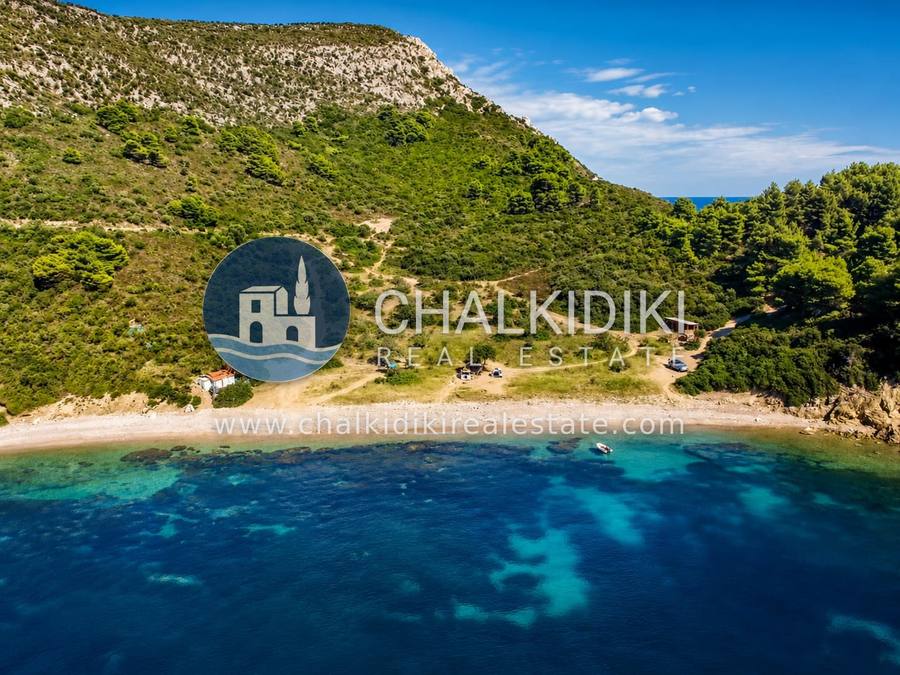
Exclusive Beachfront Hotel Development Land in Porto Koufo, Chalkidiki
- 80 Beds (5★) / 90 Beds (4★)bedrooms
- 2,000 m²living area
- 10,000 m²plot
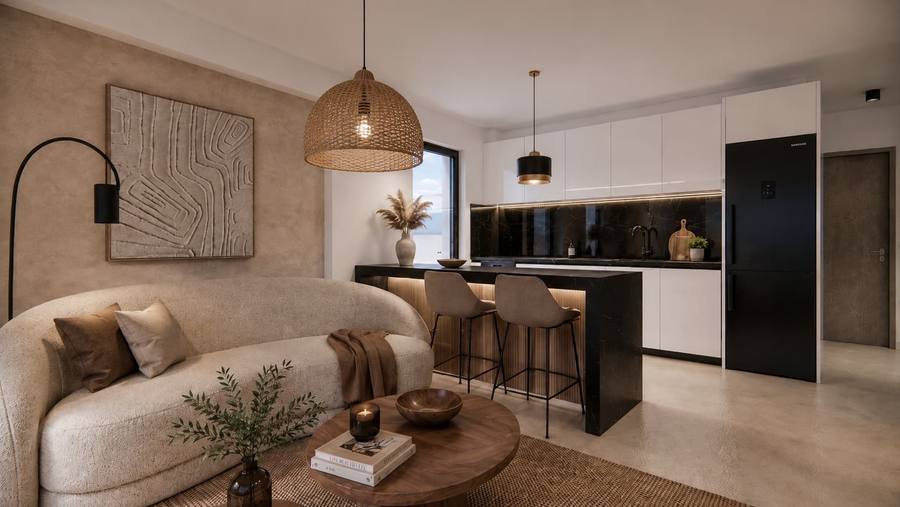
New Build Apartment Complex with Pool in Polichrono, Chalkidiki
- 8 unitsunits
- 14bedrooms
- 12bathrooms
- 652 m²living area
- 1,070 m²plot
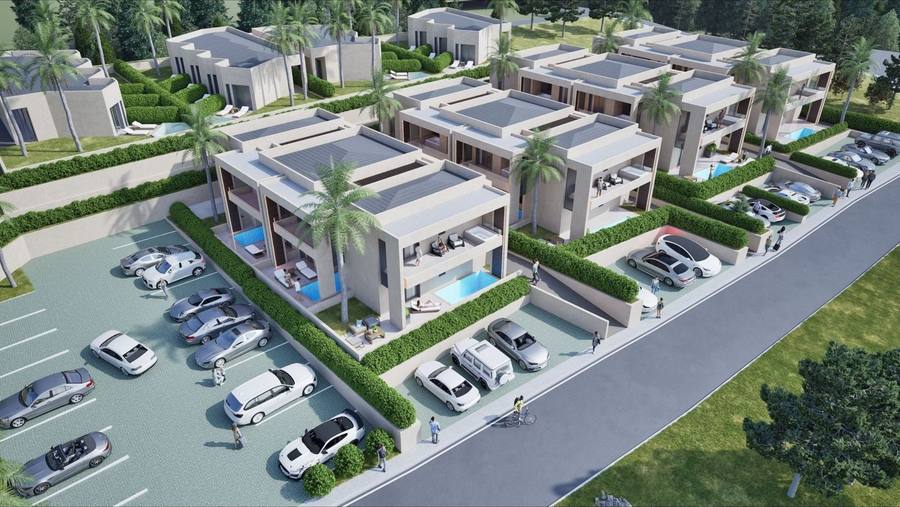
Turnkey New Build Investment Apartments at Seven Rocks Residence in Paliouri
- 5 unitsunits
- 1bedrooms
- 1bathrooms
- 36 m²living area
Nothing matches this search. Tell us what you are looking for — a large part of our stock is off-market.

Do you have questions about commercial and investment property in Chalkidiki or would you like to arrange a viewing? Contact me directly by phone, WhatsApp or email.
- Mobile: +30 693 470 9163
- WhatsApp: +30 693 470 9163
- Email: hb@chalkidikirealestate.com
- Location: Chalkidiki Real Estate
- LinkedIn: Hans-Jürgen Bahner – Over 17k Followers
- Bestselling Author: Find My Books Here
Personal support for international property buyers in Chalkidiki and throughout Greece.
Select a topic to understand the Chalkidiki investment property market and prepare your property search.
Commercial & Investment Properties for Sale in Chalkidiki: Market Overview
Chalkidiki is not a single homogeneous property market. It contains busy coastal resorts, small fishing villages, traditional inland settlements, emerging residential areas and quieter stretches of coastline. Investment Property supply therefore varies sharply by location. In established tourist villages, buyers may find compact studios and one-bedroom holiday commercial properties close to restaurants and beaches. Larger settlements often provide two- and three-bedroom commercial properties suitable for families or year-round residence. New developments tend to offer modern specifications, while older buildings may provide stronger locations, established gardens or larger internal proportions.
Demand is influenced by seasonality, accessibility from Thessaloniki, beach quality, village infrastructure, international tourism and the limited availability of well-positioned land. Asking prices should never be interpreted as a reliable valuation by themselves. An investment property’s floor, lift access, orientation, view protection, parking, legal area, condition and share in the building can create major differences even between neighbouring units.
The investment property market can suit a wide range of budgets, but a lower purchase price does not automatically mean lower risk. Older commercial properties may need new electrical or plumbing systems, and inexpensive units can carry unresolved legal or communal issues. Conversely, a carefully selected investment property can offer simple ownership, good liquidity and easier maintenance than a large standalone property.
Why Buy an Investment Property in Chalkidiki?
An investment property can be an efficient way to enjoy the Chalkidiki lifestyle without accepting all the responsibilities of a villa. Owners usually maintain the inside of their unit while sharing responsibility for roofs, façades, entrances, staircases and other common areas. This arrangement can reduce individual workload, particularly for buyers who spend only part of the year in Greece.
For holiday-home buyers, a central investment property may provide walking access to the sea, supermarkets, cafés and restaurants. That can be more valuable than a larger remote property requiring a car for every journey. commercial properties can also be easier to lock up and leave, easier to clean between visits and simpler to supervise from abroad. Buyers seeking rental income may benefit from lower operating costs and strong demand for well-located one- or two-bedroom accommodation.
However, investment property ownership also means interdependence. Decisions about common repairs, cleaning, lighting, insurance or structural work may involve other owners. Noise, pets, short-term rentals, parking and the use of shared areas can become important. The right choice therefore depends not only on the unit but also on the building’s ownership culture, financial discipline and practical management.
Choosing the Right Location in Chalkidiki
The best location is the one that supports your intended use. A summer buyer may prioritise beach access, evening atmosphere and a balcony with a sea view. A permanent resident may place greater weight on winter shops, healthcare, schools, parking and reliable road access. A rental investor needs evidence of demand, realistic season length, guest convenience and lawful operation rather than relying on the popularity of a place name.
Measure distances in practical terms. “Five hundred metres from the sea” may involve a steep road, a busy crossing or a beach that is difficult to access. A central address may be convenient but noisy during summer. A hillside investment property may have an exceptional view but greater exposure to wind, steps and vehicle dependence. Visit at different times if possible and examine the route to the beach, parking conditions, street lighting and surrounding commercial activity.
Also consider what could change. Empty land in front of a balcony may later be developed. A quiet street could become busier, while a seasonal village may be almost inactive in winter. Planning status, neighbouring plots and local development patterns deserve attention where view, privacy or year-round living is central to the purchase decision.
Commercial Properties for Sale in Kassandra
Kassandra, the western peninsula, contains many of Chalkidiki’s best-known resort destinations and generally offers convenient access from Thessaloniki. Locations such as Kallithea, Hanioti, Pefkochori, Polychrono, Nea Fokea, Afitos, Siviri and Possidi each have a different character. Buyers can find compact central commercial properties, homes in organised residential complexes, modern developments and elevated sea-view properties.
The peninsula can appeal to owners who want restaurants, beach facilities, nightlife and established tourism infrastructure. These advantages can support holiday use and rental demand, but micro-location matters. Central units may experience traffic and entertainment noise, while commercial properties on the edge of a village may offer more tranquillity but require a longer walk or a car. Parking can be particularly valuable in busy summer destinations.
Do not assume that every Kassandra investment property performs equally as an investment. Compare the exact beach, walking route, building quality, surrounding density, seasonal opening period and realistic guest profile. For personal use, decide whether you prefer the energy of a popular resort or the quieter atmosphere of a smaller coastal settlement. The peninsula’s width makes it possible to explore different coastlines, but day-to-day convenience still depends on the investment property’s immediate setting.
Commercial Properties for Sale in Sithonia
Sithonia is widely associated with dramatic bays, pine-covered landscapes and a more nature-oriented atmosphere. Nikiti, Neos Marmaras, Toroni, Sarti and several smaller settlements provide different investment property opportunities. Nikiti has expanded significantly and combines old-village character, coastal activity and access to services. Neos Marmaras offers a lively, sloping urban form with extensive views, while smaller destinations can provide a quieter holiday environment.
Topography deserves special attention. A sea-view investment property may be located above the centre and involve steep walking routes. Upper floors can capture views and air movement, but lift availability and access become important. In lower-density areas, verify road quality, drainage, utilities, mobile coverage and the distance to year-round services. commercial properties marketed under the name of a famous destination may in practice be several kilometres away.
Sithonia may suit buyers who prioritise beaches, scenery and a relaxed rhythm. Yet a beautiful natural setting should not replace technical review. Coastal exposure, humidity, seasonal vacancy and maintenance affect buildings throughout the region. For rental plans, examine the achievable operating season and guest logistics rather than extrapolating from peak August demand.
Commercial Properties in Mainland Chalkidiki
Mainland Chalkidiki includes coastal and inland locations that can offer practical access toward Thessaloniki and stronger year-round activity. Nea Moudania is an important commercial centre with shops, services, healthcare connections and a more permanent residential population. Other settlements provide varying combinations of coastal living, local community and transport convenience.
These areas may appeal to buyers who want an investment property for regular use rather than a purely seasonal resort property. A home near essential services can be easier to occupy in winter, manage long term and rent to year-round tenants. Prices and building styles can differ from the two peninsulas, but detailed comparison remains necessary. Check traffic, neighbourhood use, parking, heating, building maintenance and proximity to daily facilities.
For buyers travelling frequently, journey time to Thessaloniki and the airport may carry more weight than postcard scenery. Mainland options can also function as a base for exploring the wider region. The correct decision comes from matching the location to a realistic weekly routine: shopping, healthcare, work, beach visits, airport transfers and winter life.
Types of Commercial and Investment Properties
| Investment Property type | Typical strengths | Points to examine |
|---|---|---|
| Hotel or guesthouse | Established tourism demand and operating platform | Licences, room inventory, seasonality, staffing, systems and renovation needs |
| Apartment or villa complex | Diversified accommodation units and flexible operating models | Legal status of every unit, common areas, rental rules and management intensity |
| Retail unit | Central visibility and potential tenant income | Permitted use, frontage, lease quality, footfall, loading and seasonal demand |
| Restaurant or hospitality venue | Location-led operating opportunity | Licences, kitchen extraction, terraces, equipment, noise and business transfer terms |
| Office or mixed-use building | Year-round demand and multiple income sources | Layout, accessibility, leases, parking, energy costs and lawful uses |
| Warehouse or light-industrial property | Storage, logistics or operational use | Road access, clear height, loading, fire safety, utilities and zoning |
| Development or conversion opportunity | Potential value creation through construction or repositioning | Planning feasibility, capital expenditure, approvals, timeline and exit demand |
Marketing labels are not legal definitions. A property advertised as a hotel, tourism complex or commercial unit must be checked against its lawful planning use, approvals and operating permissions. The sale may include only real estate, or it may also involve a company, brand, contracts, equipment and liabilities. Define the transaction perimeter before comparing prices.
New-Build commercial properties in Chalkidiki
New-build commercial properties can offer contemporary insulation, efficient heating and cooling, modern windows, new electrical and plumbing installations, and layouts designed for current buyer preferences. Developments may include private parking, storage, landscaped areas or shared facilities. Purchasing early can sometimes provide a choice of floor, orientation and finishes.
New does not eliminate risk. The buyer’s lawyer should verify the land, ownership, permits, developer authority, contractual milestones and any burdens. An engineer should examine approved plans, specifications, construction quality and the correspondence between promised and legally permitted areas. If the unit is unfinished or off-plan, the contract must clearly define completion standards, materials, deadlines, payment stages, remedies, utility connections and handover documentation.
Computer renderings communicate a design intention, not a completed legal fact. Verify dimensions, ceiling heights, terrace boundaries, views, landscaping, parking allocation and the position of technical equipment. Ask which elements are included in the price and which are upgrades. Air-conditioning units, kitchens, appliances, lighting, wardrobes, pergolas and furniture may not be included unless expressly documented.
Also assess the completed development, not only the investment property. Who will manage common areas? What charges are expected? Are all units sold, and are commercial or short-term rental uses anticipated? A technically excellent investment property can still be affected by weak building management.
Resale commercial properties: Advantages and Risks
A resale investment property allows the buyer to inspect an existing home and observe the actual building, neighbourhood, view and access. Mature landscaping and established services can be attractive, and the unit may include furniture or equipment. Previous electricity bills, communal statements and maintenance history can provide useful evidence about operating costs.
Older properties require careful investigation. Decorative renovation may conceal aged wiring, pipes, damp or inadequate waterproofing. Windows, air-conditioning systems, water heaters and kitchen equipment need condition checks. At building level, roofs, façades, balconies, lifts, drainage and shared installations may require future expenditure. Ask about completed works and planned repairs, but verify information through documents and professional inspection.
The legal configuration must match reality. Owners sometimes enclose balconies, move kitchens, combine rooms, create internal stairs or incorporate common areas. Such alterations can affect legality, financing, insurance and resale. The seller’s documentation is not a substitute for the buyer’s independent engineer.
A resale purchase may still represent excellent value when location, construction and legal status are sound. Budget for immediate improvements and a contingency reserve rather than using the entire available capital for the purchase price.
Beachfront and Sea-View commercial properties
Beachfront commercial properties offer direct lifestyle appeal, but “beachfront,” “first line” and “near the sea” are marketing expressions that require physical verification. Confirm the route, legal access, intervening land and actual relationship to the coast. A property can face the sea while being separated by a road, commercial premises, vegetation or another parcel.
Coastal exposure increases maintenance demands. Salt, wind and humidity can affect metalwork, external paint, windows, shutters, air-conditioning equipment and reinforced concrete. Inspect balcony edges, railings, façade cracks and signs of water penetration. Building maintenance is especially important because neglect by other owners can affect every unit.
For sea-view commercial properties, investigate whether the view is protected. The absence of a building today does not guarantee an open outlook tomorrow. An engineer or lawyer may help clarify neighbouring plots and planning conditions, but future views can rarely be guaranteed absolutely. Consider orientation too: direct western sun may create heat, while exposure to prevailing winds can limit terrace use.
Do not pay a premium solely for a photograph. Evaluate the view from normal seating height, the balcony’s usable depth, privacy, road noise and comfort at the times you expect to occupy the home.
Investment Property Size, Legal Area and Layout
Published square metres can refer to different measurements. Listings may quote net internal area, gross constructed area, legal deed area or a figure including walls and other components. Before comparing price per square metre, establish which basis is being used. The lawyer and engineer should reconcile the deed, cadastral information, approved plans and physical investment property.
Usable layout can matter more than headline size. A compact investment property with good circulation, storage and balanced rooms may function better than a larger unit with corridors, low ceilings or awkward internal stairs. Check whether every bedroom accommodates the intended bed and wardrobe, whether bathrooms have adequate ventilation, and whether kitchen storage suits real occupancy.
For family use, consider separation between living and sleeping zones, access to outdoor space, laundry arrangements and the position of noisy building installations. For older occupants, internal steps, narrow doors and bathrooms may create accessibility issues. A lift does not help if the entrance still involves stairs.
Furniture shown in photographs can make rooms appear larger or smaller. During viewing, measure critical spaces and imagine the investment property with your own storage requirements, luggage, beach equipment and seasonal belongings.
Assessing the Entire Building
The condition and governance of the building influence safety, comfort and resale. Start outside: examine the roofline, façade, balconies, drainage, entrance, stairs, lift, basement and surrounding ground. Look for corrosion, cracks, staining, damaged waterproofing, uncontrolled vegetation and improvised repairs. These are not automatically serious defects, but they indicate where an engineer should investigate.
Ask when the building was constructed and what major work has been completed. Roof waterproofing, façade repair, lift upgrades and pipe replacement can be expensive. Determine whether a reserve fund exists, whether owners pay charges reliably and whether any extraordinary contribution has been discussed. Minutes, statements or communication from building management may provide useful context, where available.
Observe everyday management. Are common spaces clean? Are electrical panels and meters organised? Is access controlled? Are bins, bicycles or personal belongings blocking shared areas? A visually modest but well-managed building may be preferable to an impressive complex with weak maintenance.
The buyer should not rely only on the seller’s summary. Obtain documentation, ask targeted questions and include the building in the technical inspection scope.
Horizontal Ownership and Common Property
Greek investment property ownership commonly involves exclusive ownership of a defined unit together with a percentage interest in the plot and common parts. The horizontal ownership deed and building regulations can describe the unit, percentages, permitted uses, voting arrangements and allocation of expenses. These documents are central to understanding what is actually being purchased.
Staircases, entrances, foundations, roofs, façades, structural elements and installations serving multiple units may be common property. Terraces, gardens, parking spaces and storage rooms can have different legal arrangements: separately owned, attached to the investment property, allocated for exclusive use or merely used by custom. An estate agent’s statement that an area is “private” must be confirmed legally.
Exclusive use is not necessarily the same as separate ownership or freedom to build. A ground-floor owner may have the right to use a garden without owning it as an independent plot. A rooftop terrace may remain structurally common even when one investment property has use rights. Alterations can require permissions beyond those needed inside the unit.
The lawyer should explain the ownership structure in practical language, including percentages, restrictions, voting and expense allocation. The engineer should verify that boundaries and use correspond to the plans and physical reality.
Common Expenses and Building Finances
Common expenses can cover cleaning, lighting, water for shared areas, lift service, insurance, gardening, pool maintenance, management and communal heating. Allocation may follow ownership percentages, specific tables, actual use or special rules. Request recent statements and understand both regular charges and irregular contributions.
Low monthly charges are not always positive. They may reflect a simple, efficiently managed building, but they can also indicate deferred maintenance or the absence of reserves. High charges may be justified by lifts, pools, extensive gardens, security or full-time services. Compare the cost with facilities you will actually use.
Ask whether the seller owes communal charges and how liabilities will be settled at completion. Your lawyer should address appropriate evidence and contractual protection. Also ask about approved or anticipated works. A buyer who purchases shortly before a major façade or roof project may face a substantial payment even if regular statements looked modest.
For seasonal buildings, management can be complicated when owners live abroad or disagree about spending. Learn who collects payments, authorises work and communicates emergencies. Sound administration protects the physical asset and the relationships between owners.
Parking, Storage and Access Rights
Parking is a major practical advantage in busy Chalkidiki resorts. A listing may describe “private parking,” but the legal reality can range from a separately defined space to an exclusive-use position, an informal arrangement or simply space available on common land. Confirm the exact location, dimensions, access and legal basis. Test whether a normal vehicle can enter and turn during peak season.
Storage rooms deserve the same attention. Verify whether the storage is included in the deed, attached to the investment property, independently registered or used informally. Inspect it for moisture, ventilation, security and access. Basement storage near the coast can be affected by damp and is not automatically suitable for valuable belongings.
Check pedestrian access from street to investment property, especially where the site is sloping. Gates, steps and narrow paths can complicate luggage, children’s equipment or mobility. In organised complexes, ask who maintains internal roads and external lighting.
Do not assume that an unused corner can later become parking or storage. Common areas cannot normally be appropriated simply because other owners do not currently object. Documented rights protect future enjoyment and resale.
Commercial Areas, Terraces and Customer Facilities
Outdoor areas can be central to a Chalkidiki business. Restaurant terraces, pool decks, gardens, parking, loading areas and guest circulation influence revenue and capacity. Verify whether each area is owned, leased, common, allocated for exclusive use or occupied under a separate permission. Physical use over many years does not prove a permanent commercial right.
Inspect tiles, joints, outlets, railings, awnings and signs of leakage. Waterproofing failures can damage the investment property below and create disputes about responsibility. Pergolas, glazing, enclosures and permanent structures must correspond to legal approvals and building rules. The engineer should review alterations rather than assuming that age makes them lawful.
Ground-floor gardens can be excellent for children and pets but require clarity about ownership, exclusive use, maintenance and permissible changes. Check privacy, security, drainage, insects and the position of wastewater or mechanical systems. Rooftop use similarly requires exact legal review and careful assessment of waterproofing and access.
If outdoor living is essential, visit when neighbouring commercial properties are occupied. Sound, cooking smells, overlooking and shared paths can affect the real experience.
Orientation, Light, Ventilation and Noise
Orientation influences temperature, daylight and balcony use. South- and west-facing windows can provide strong light but may increase summer heat. Northern aspects may remain cooler yet feel darker or damper in winter. Cross-ventilation is valuable, particularly in coastal climates, but depends on openings on more than one side and the surrounding building form.
Inspect at a realistic time of day. Artificially bright listing photographs may not show the normal light level. Open windows and listen for traffic, nightlife, machinery, church bells, neighbouring balconies and delivery activity. Then close them to assess acoustic performance. Noise can travel through floors, party walls, plumbing shafts and communal corridors as well as external openings.
Ask where air-conditioning compressors, pumps, water tanks and lift machinery are positioned. A top-floor or ground-floor investment property may be particularly affected by certain installations. Cooking ventilation from commercial units below can also matter.
No investment property is completely silent, especially in a summer destination. The aim is to understand the sound environment and decide whether it suits sleeping, remote work, family use or rental guests.
Seasonality and Year-Round Operating Potential
A tourism property can perform strongly in peak summer yet remain uneconomic across the full year. Analyse monthly revenue, occupancy, average rate, payroll, energy, commissions and maintenance rather than annual totals alone. Determine which businesses, transport links and services remain active outside the main season.
Seasonal buildings may have limited management during winter. Water can be shut off, shared spaces may be unlit and neighbouring units can remain closed for months. Confirm how emergencies, leaks and storm damage are handled. In exposed coastal locations, wind-driven rain and salt can accelerate deterioration.
The surrounding village is equally important. Verify which supermarkets, pharmacies, restaurants and services operate year-round. Public transport can be limited, so permanent residents may need a car and reliable parking. Internet quality and mobile coverage should be tested if remote work is planned.
Visit outside peak summer where possible. A winter inspection reveals damp, heating performance, local activity and weather exposure that are difficult to judge in August.
What Determines Investment Property Prices?
Investment Property prices in Chalkidiki are shaped by precise location, walking distance to a desirable beach, sea view, building quality, age, legal area, floor, lift, parking, outdoor space, condition and scarcity. A renovated investment property may command a premium, but buyers should distinguish cosmetic presentation from structural and technical quality.
Price per square metre can support comparison only when the underlying measurements and properties are genuinely comparable. A ground-floor unit facing a road should not be valued like a top-floor investment property with an unobstructed view merely because both are in the same village. Furniture, storage, parking and terraces may also influence the package without being reflected consistently in the area figure.
Use recent relevant evidence where available and examine competing listings, but remember that asking prices do not prove completed transaction values. Property condition, seller motivation, legal readiness and payment terms affect negotiation. An independent valuation may be appropriate for financing or a higher-value purchase.
Long-term value tends to be supported by good micro-location, documented legality, practical access, quality construction and a layout attractive to future buyers. Fashionable decoration can be changed; a poor building position cannot.
Building a Complete Purchase Budget
The asking price is only one element of the total investment. Buyers should budget for applicable transfer taxation or VAT treatment, notary and registration costs, legal services, engineering inspection, brokerage, translation, powers of attorney, banking, insurance and accounting. The precise treatment depends on the investment property and transaction, so obtain a property-specific estimate from qualified advisers.
After completion, allow for furniture, appliances, air conditioning, locks, internet, utility deposits and immediate repairs. A resale investment property may need painting and new equipment even when it appears ready. A new-build may be delivered without items visible in marketing images. Keep a contingency for defects discovered after furniture is removed or systems are tested.
Annual ownership costs can include ENFIA, common expenses, insurance, utilities, maintenance, accounting and management. Rental use adds cleaning, linen, platform, guest support, registration, tax and increased wear. Owners living abroad may need regular inspections even when the property is empty.
Calculate affordability using the complete first-year cash requirement and a realistic annual reserve. A smaller investment property with comfortable operating costs is often a better purchase than a larger unit that leaves no budget for proper upkeep.
Creating an Effective Investment Property Search Strategy
Begin with intended use rather than a long feature list. Define whether the investment property is primarily for family holidays, permanent residence, seasonal rental, long-term tenancy or mixed use. Establish a total budget including costs and works, the minimum number of genuine bedrooms, preferred locations, acceptable walking distance and non-negotiable requirements such as parking or lift access.
Separate essentials from preferences. Sea view, modern furniture and a pool may be desirable, but legal status, suitable layout and manageable costs usually deserve higher priority. Decide what you can change after purchase and what is fixed. Kitchens and finishes can be renovated; floor, orientation, building position and ownership rights cannot easily be changed.
Use a comparison sheet for every serious candidate. Record verified area, floor, lift, orientation, parking rights, storage, common charges, heating, condition, distance to key locations and due-diligence questions. This reduces the influence of attractive photography and helps couples or families make decisions consistently.
Share the brief with your agent and update it after initial viewings. Real properties often reveal which compromises are acceptable. A disciplined search saves time and makes negotiation more credible.
How to View an Investment Property Properly
A viewing should test the property, not merely confirm that it resembles the photographs. Start with the street and building. Observe parking, access, noise, neighbouring uses, entrance security and common-area condition. Take the lift and stairs, inspect corridors, and note maintenance before entering the unit.
Inside, open windows, shutters, taps, cupboards and doors. Look beneath sinks and around balcony doors for moisture. Check water pressure, hot-water equipment, electrical panels, air-conditioning units and signs of recent patch repairs. Measure important rooms and balconies. Photograph utility meters and technical equipment with permission.
Ask what is included in the sale, whether the investment property is occupied, when it can be delivered and whether furniture will remain. Request information about common charges, building rules, known defects, planned works, rental use and disputes. Answers should later be verified by professionals and documents.
For remote buyers, live video can narrow the shortlist but should not replace independent physical inspection. Request a continuous walkthrough showing the street, entrance, view, ceilings, corners, equipment and common areas—not only attractive rooms.
Legal Due Diligence for an Investment Property
An independent Greek lawyer should protect the buyer’s interests and verify the seller’s title, authority to sell, registered burdens, ownership description and transaction documentation. Investment Property purchases require attention to the horizontal ownership deed, building regulations, ownership percentages, appurtenant spaces and rights in common areas.
The lawyer should confirm whether parking, storage, garden or terrace rights are legally connected to the investment property and identify restrictions on use. Where the building includes commercial premises, tourist operations or multiple ownership structures, the regulations may be particularly relevant. Outstanding litigation, seizures, mortgages, claims or succession issues can affect completion.
Legal review and technical review are complementary. The lawyer interprets title and rights; the engineer verifies planning, permits, plans and the physical property. Neither should be asked to substitute for the other. The notary performs a neutral public function and does not replace the buyer’s independent adviser.
Provide the lawyer with your intended use. Holiday rental, renovation, co-ownership, company acquisition, financing or residence planning may require additional analysis. Do not sign a reservation or transfer non-refundable money before the lawyer has reviewed the terms.
Technical Due Diligence
The buyer’s engineer should inspect the investment property and review relevant permits, approved plans, legalised changes and technical documents. The objective is to establish whether the physical configuration corresponds to the lawful one and to identify material condition concerns. The scope should include balconies, attached spaces and observable common elements where they affect the unit.
Common investment property issues include enclosed balconies, relocated kitchens or bathrooms, incorporated corridors, altered internal stairs, converted storage and discrepancies in dimensions. Even changes that appear minor can affect legality or future transfer. The engineer should explain findings, available remedies and limitations before the buyer proceeds.
Condition assessment may cover damp, cracks, waterproofing, plumbing, electrical installations, windows, heating, cooling and structural indicators. Some systems require specialist testing. A visual inspection cannot reveal every concealed defect, but it provides a disciplined basis for deciding whether further investigation is needed.
For a new build, compare construction with plans and specification and consider staged inspections. For an older unit, distinguish investment property-level repairs from building-wide work. Obtain cost estimates where findings could influence the offer or budget.
Important Investment Property Documents
The required file depends on the property and transaction, but buyers commonly need to review title documents, cadastral or registry information, the horizontal ownership deed, building regulations, permits, approved plans, engineer documentation, energy documentation and tax-related seller certificates. The notary and advisers determine the formal completion package under current law.
Investment Property-specific records may include tables allocating ownership percentages and common expenses, documents for parking or storage, building-management statements, minutes concerning major works and evidence regarding communal debts. Utility bills and equipment records can help assess use and operating costs but do not replace legal evidence.
Compare documents with the marketing description. Confirm legal area, floor, unit number, bedroom configuration, attached spaces and exclusive-use rights. If furniture is included, create a clear inventory. If the seller promises repairs, clearing, permits or debt settlement, address them contractually with appropriate evidence and deadlines.
Foreign buyers may require an AFM, translated or legalised personal documents and a power of attorney. Begin document preparation early because inconsistent names, addresses or identity records can delay the transaction.
Offers, Negotiation and Reservation Agreements
A strong offer is based on evidence and conditions, not only a lower number. Consider comparable alternatives, condition, legal readiness, included contents, completion timetable and the cost of required work. Clarify whether the offer includes furniture, parking, storage and any appliances or equipment.
Reservation documents can create significant obligations. They should identify the parties and property, payment amount, due-diligence conditions, refund circumstances, exclusivity period, deadlines, included items and consequences of default. The buyer’s lawyer should review the text before signature or payment. Never assume that a small deposit is automatically refundable.
Keep negotiations in writing and avoid vague promises. If the seller will legalise an alteration, clear a burden, obtain a missing document or complete work, define the required result and evidence. Payment should follow verified instructions and a secure, documented process.
The purpose of reservation is to create an orderly path to due diligence and completion. It should not pressure the buyer into accepting unknown legal or technical risk. If material findings emerge, advisers should explain the contractual options before further funds become due.
The Investment Property Buying Process in Greece
- Define the investment property brief, locations and complete budget.
- Prepare identification, AFM and funding documentation.
- Appoint an independent Greek lawyer and qualified engineer.
- View and compare suitable commercial properties and buildings.
- Submit a documented offer subject to appropriate conditions.
- Have any reservation agreement reviewed before payment.
- Complete legal and technical due diligence.
- Confirm taxes, professional fees and source-of-funds requirements.
- Review the final notarial deed and payment mechanics.
- Sign personally or through a valid power of attorney.
- Complete registration with the competent registry or cadastre.
- Verify tax records, handover, utilities, insurance and building administration.
The sequence can vary according to the property, buyer, financing and documentation. A cash purchase of a legally prepared resale unit may progress differently from an off-plan purchase or mortgage transaction. Do not rely on a universal completion promise. Your advisers should provide a property-specific plan and identify dependencies.
Handover should include keys, meters, alarm or access codes, manuals, inventory, communal contacts and evidence of agreed works. Photograph condition and readings. After registration, retain the complete transaction file and confirm that all post-completion tax and administrative steps have been addressed.
Buying an Investment Property as a Foreign Buyer
Foreign nationals can generally acquire property in Greece subject to current rules, nationality, sanctions, property location and individual circumstances. Ownership is separate from immigration status and tax residence. The lawyer must confirm whether any special acquisition restriction applies to the buyer or location before commitment.
International buyers should plan document preparation and funds transfers early. Names must be consistent across passports, tax records, bank accounts and contracts. Certain documents may require apostille or other legalisation and official translation. A power of attorney can enable many steps to be completed without repeated travel, but its scope should be carefully prepared and understood.
Banks, notaries and professionals may request evidence of source of funds. Maintain a clear documentary trail from the origin of the money to the purchase payment. Currency conversion also deserves planning; exchange-rate movements and transfer fees can materially affect the final euro budget.
An AFM is commonly required for the transaction, but obtaining one does not by itself make the buyer a Greek tax resident. A Greek accountant should explain ownership declarations and ongoing obligations.
Commercial Properties and the Greek Golden Visa
Some non-EU buyers consider an investment property in connection with the Greek Golden Visa programme. Property ownership and residence eligibility must be treated as separate questions. A listing should not be described as “Golden Visa eligible” solely because of its asking price. Applicable thresholds, property category, location, use restrictions, investment structure and current law must all be verified for the specific case.
Before paying a reservation amount, instruct an immigration lawyer to confirm whether the proposed acquisition and buyer structure can qualify. The lawyer should also explain permitted use, minimum holding requirements, family inclusion, application documents and the consequences of future changes. Property advisers can help identify opportunities and coordinate information, but the competent authority decides the residence application.
Do not compromise property quality simply to pursue immigration objectives. The investment property still requires full title and technical due diligence, a sensible price and a realistic ownership plan. If rental income is expected, obtain specific legal advice on current restrictions applicable to the relevant residence route.
Mortgages, Banking and Source of Funds
Foreign and Greek buyers may seek mortgage finance, but availability, loan-to-value, affordability requirements and documentation depend on the bank, borrower and investment property. Pre-assessment should begin before serious negotiation. A bank valuation does not replace legal or technical due diligence and may produce a figure below the agreed price.
Financed transactions usually require additional time and conditions. Clarify what happens to a reservation payment if financing is refused or delayed. Do not commit on the assumption that approval is guaranteed. The investment property itself must meet the lender’s standards, and legal or planning discrepancies can affect security acceptance.
Cash buyers still face banking and compliance requirements. Prepare tax returns, sale agreements, inheritance records, company documents or other evidence showing the lawful origin of funds. Keep transfers traceable and confirm payment instructions independently to reduce fraud risk.
Where funds originate in another currency, compare conversion strategies and timing. A seemingly small rate movement can exceed normal negotiation savings. Coordinate the lawyer, bank, notary and currency provider so money is available in the correct account and form when required.
Income, Leases, NOI and Investment Returns
Investment analysis should begin with verified income and normalised operating expenses. Review leases, bookings, bank evidence, tax records, occupancy reports and invoices where available. Calculate net operating income after realistic management, utilities, maintenance, insurance and recurring operating costs. Peak-season turnover is not equivalent to annual profit.
Metrics such as gross yield, net yield, cap rate, price per room and price per square metre can support comparison, but only when definitions are consistent. Model base, downside and improvement scenarios. Include vacancy, tenant incentives, platform commissions, capital expenditure, debt service and taxes separately. No projected return should be treated as guaranteed.
For leased assets, examine tenant creditworthiness, rent indexation, deposits, break rights, arrears, repair obligations and expiry. For owner-operated businesses, separate property value from goodwill and movable equipment. Confirm current registration, tax, building and operational requirements with qualified advisers.
The purchase structure affects risk. An asset purchase, company-share acquisition and business transfer can carry different liabilities and tax consequences. Obtain legal, accounting and tax advice before deciding structure. Compare sustainable net outcomes and management effort rather than headline turnover. No agent can guarantee occupancy, rent, revenue, profit or resale value.
Renovating an Investment Property in Chalkidiki
Renovation can improve comfort and value, but investment property work must respect planning rules, the building structure, common installations and other owners. Cosmetic changes are simpler than moving wet areas, altering façades, enclosing balconies, changing windows or affecting structural elements. An engineer should identify required approvals before work begins.
Prepare a written scope, drawings where needed, material specification, price, payment schedule, timeline and responsibility for debris and common-area damage. Contractors should protect lifts, stairs and entrances. Notify or obtain consent from building management where required and respect working-hour rules.
Coastal conditions influence material choice. Suitable windows, corrosion-resistant external fittings, ventilation and waterproofing can be more important than decorative trends. Improve electrical capacity, plumbing, hot water, shading, cooling and storage as part of one coordinated plan.
Keep invoices, permits, plans, warranties and photographs. Documentation supports insurance, maintenance and eventual resale. Include a contingency because hidden defects frequently become visible after floors, kitchens or bathrooms are removed. Never calculate the investment case using only a contractor’s preliminary headline estimate.
Owning and Managing an Investment Property from Abroad
An investment property is easier to manage than many detached homes, but it still requires regular supervision. Empty units can suffer leaks, humidity, power failures, pests and storm damage. Arrange periodic inspections, ventilation, meter checks and immediate reporting. Maintain valid insurance and understand which risks are covered by the building and which require individual cover.
A local manager can coordinate keys, cleaning, utilities, repairs, guest support and communication with building administration. Define authority, approval limits, emergency procedures, reporting and fees in writing. For rental use, the scope may include listings, reservations, check-in, linen, tax coordination and maintenance.
Participate in building decisions even when abroad. Keep contact details current, pay common expenses promptly and retain statements. If major work is proposed, request the scope, quotations and allocation method. Cooperative ownership protects value.
Chalkidiki Real Estate can, depending on the agreed service, coordinate property checks, utility setup, furnishing, renovation, cleaning, maintenance and rental operations. Regulated legal, tax and technical advice remains with the relevant independent professionals.
Common Mistakes When Buying an Investment Property
- Choosing from photographs without evaluating the building and street.
- Comparing prices using inconsistent square-metre measurements.
- Assuming parking, gardens, terraces or storage are privately owned.
- Paying a reservation before independent legal review.
- Skipping an engineer because the investment property looks renovated or new.
- Ignoring horizontal ownership documents and building regulations.
- Failing to investigate common expenses, debts and planned repairs.
- Underestimating summer noise, winter inactivity or steep access.
- Assuming an unobstructed sea view is permanently protected.
- Believing every investment property can be used for unrestricted holiday rental.
- Treating ownership as automatic residence or tax residence.
- Using the entire budget for the asking price without contingency.
- Accepting verbal promises about furniture, repairs or completion.
- Ignoring salt, humidity, waterproofing and ventilation near the coast.
- Relying on one professional to perform legal, technical and tax roles.
Most serious mistakes arise from urgency and assumptions. A structured process does not eliminate every risk, but it makes unknowns visible before they become expensive. The strongest buyers are prepared to pause when documentation, rights or costs remain unclear.
Investment Property Buyer Checklist
- Define asset class, investment strategy, budget and target return.
- Confirm whether the transaction includes real estate, business assets or company shares.
- Verify title, lawful use, permits and operating licences.
- Analyse leases, bookings, turnover and normalised operating expenses.
- Calculate NOI, realistic capital expenditure and downside scenarios.
- Inspect structure, fire safety, accessibility and technical systems.
- Check parking, terraces, signage, loading and customer areas.
- Review staff, supplier, platform and management contracts where relevant.
- Investigate tax, employment, litigation and company liabilities.
- Confirm financing, valuation and source-of-funds requirements.
- Appoint independent legal, tax, accounting and technical advisers.
- Have reservation and confidentiality terms reviewed before payment.
- Verify movable equipment and create a detailed inventory.
- Assess seasonality, competition and year-round operating potential.
- Model renovation, repositioning and working-capital requirements.
- Complete commercial, legal, financial and technical due diligence.
- Agree warranties, conditions precedent and handover obligations.
- Confirm insurance, utilities and operational continuity.
- Prepare management, reporting and exit plans.
- Keep a complete investment and compliance file.
Frequently Asked Questions About Commercial & Investment Properties for Sale in Chalkidiki
Can foreigners buy commercial property in Chalkidiki?
Which commercial property types are available?
Should I buy the property or the company that owns it?
How is commercial property value assessed?
What is net operating income?
What is a cap rate?
How do I verify hotel or rental revenue?
Are operating licences transferred automatically?
What should I review in a commercial lease?
Do I need technical due diligence?
What is included when buying an operating business?
How important is seasonality?
Can I finance a commercial purchase in Greece?
Can I convert a building to another commercial use?
Does commercial property qualify for the Golden Visa?
What taxes apply to commercial property?
How much working capital should I plan?
Can I complete the purchase remotely?
How long does a commercial purchase take?
Can Chalkidiki Real Estate support the property after acquisition?
What is the best first step?
Related Property Guides and Services
Buying Property in Greece – Complete Guide
Buying Property in Greece as a Foreigner
Costs and Taxes When Buying Property
Do you have questions about commercial and investment property in Chalkidiki or would you like to arrange a viewing? Contact me directly by phone, WhatsApp or email.
- Mobile: +30 693 470 9163
- WhatsApp: +30 693 470 9163
- Email: hb@chalkidikirealestate.com
- Location: Chalkidiki Real Estate
- LinkedIn: Hans-Jürgen Bahner – Over 17k Followers
- Bestselling Author: Find My Books Here
Personal support for international property buyers in Chalkidiki and throughout Greece.